Hypoglycemia has a significant impact on both patients’ quality of life and the course of the disease. Characterized by a decrease in blood glucose levels below normal values, this condition can range from mild, easily corrected episodes to severe, life-threatening situations.
When using insulin or certain glucose-lowering medications, the risk of hypoglycemia remains a constant challenge. Although tight blood glucose control is essential for preventing long-term complications, it must be carefully balanced to avoid hypoglycemic episodes, which can have serious acute consequences, including neurological impairment or loss of consciousness.
Understanding the mechanisms, risk factors, and early signs of hypoglycemia is essential for both patients and healthcare professionals.
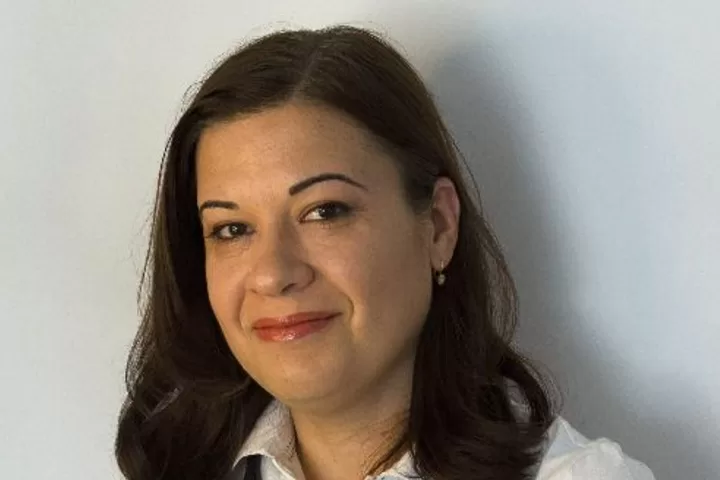
The discussion with diabetologist Dr. Emilia Roxana Mazilu on hypoglycemia explores the main causes, clinical manifestations, and prevention methods, offering a clear perspective on a problem that is often underestimated but has major implications for disease management.
Diabetes is usually associated with high blood sugar, but there are also situations when it drops dangerously low. What does this mean and how serious is it for someone with diabetes?
That’s right, when we think about diabetes, we usually think of high blood sugar, or hyperglycemia. However, paradoxically, the immediate risk in diabetes is often low blood sugar, or hypoglycemia.This condition has rapid onset symptoms, unlike hyperglycemia, and, if not treated promptly, it can become life-threatening.
How do we know that we are dealing with hypoglycemia?
Hypoglycemia is defined as a decrease in blood glucose levels below the normal range, with values lower than 70 mg/dL considered indicative of hypoglycemia. It can be classified into several stages: the first is alert hypoglycemia, with values between 54 and 70 mg/dL; the second refers to levels below 54 mg/dL; and the third, severe hypoglycemia, does not have a clearly defined threshold but is characterized by serious clinical manifestations.
As
blood glucose levels continue to drop, the signs and symptoms become
progressively more severe, starting with tremors, hunger, and irritability, and
advancing to cognitive impairment, confusion, blurred vision, and, in severe
cases, loss of consciousness and inability to self-manage.
Which patients with diabetes are at higher risk of hypoglycemia?
People who are treated with insulin or certain medications, such as sulfonylureas, are more likely to experience hypoglycemia. The risk increases when key aspects like regular meals, physical activity, or alcohol intake are not properly managed.
What should a patient do during a hypoglycemic episode?
When hypoglycemia occurs, patients are usually advised to follow the “rule of 15”. This means consuming around 15 grams of fast-acting carbohydrates, such as glucose tablets, fruit juice, a sugary drink, or even a spoonful of sugar. After that, you should wait about 15 minutes and check your blood sugar again. If it’s still below 70 mg/dL, repeat the same step.
Once blood sugar levels return to normal, and if your next meal is more than an hour away, it’s a good idea to have a small snack that includes both carbohydrates and protein, like bread with cheese.
It’s important to avoid treating hypoglycemia with fatty foods like chocolate, as they take longer to absorb and can slow down recovery. If someone loses consciousness, they should not be given anything by mouth. In this case, glucagon should be administered if available, and emergency services should be called immediately. Severe hypoglycemia always requires urgent medical attention.
How can hypoglycemia be prevented?
Preventing hypoglycemia comes down to understanding how your treatment works and keeping things balanced.
Regular blood sugar monitoring is essential, whether through frequent checks or with a continuous glucose monitoring device. It’s also important to match your food intake with your treatment, especially when it comes to adjusting carbohydrate intake or insulin doses around physical activity.
Alcohol should be consumed carefully and preferably with food, as it can increase the risk of hypoglycemia, particularly overnight. In some cases, having a small snack before going to bed can help reduce this risk.