Sleep is vital at all ages. Missing nights and not following the rules related to much-needed rest attract a lot of health problems. For children and teenagers, the rest routine is extremely important. Little bodies need sleep to grow and stay healthy. Their muscles, including the heart, repair themselves during sleep. Here are the top 5 things about sleep in children and teenagers, according to American specialists cited by webmd.com.
Sleep stimulates the brain
While your child is in dreamland, their brain stores memories from the day so that they can recall them later. This is a key part of learning: your child needs sleep to help them be more attentive in school.
How much should a child sleep?
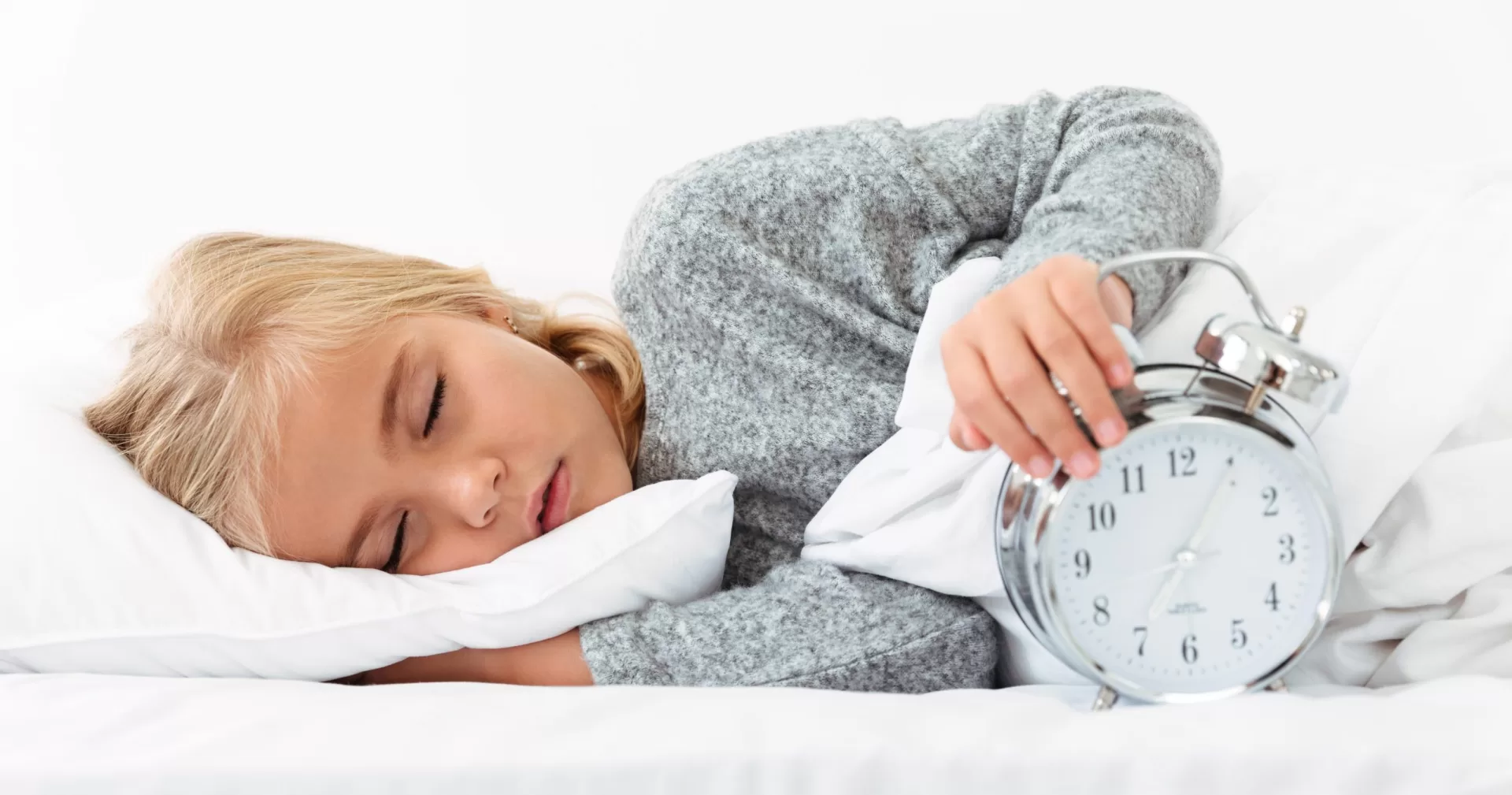
Children need more snooze time than you do. Do you have a toddler? They should get 11 to 14 hours of total sleep a day. Children aged 3 to 5 need about 11 to 13 hours. If your child is 6 to 13, they should get at least 9 hours of sleep. Teenagers need 8 to 10 hours.
How do I get my child to go to bed?
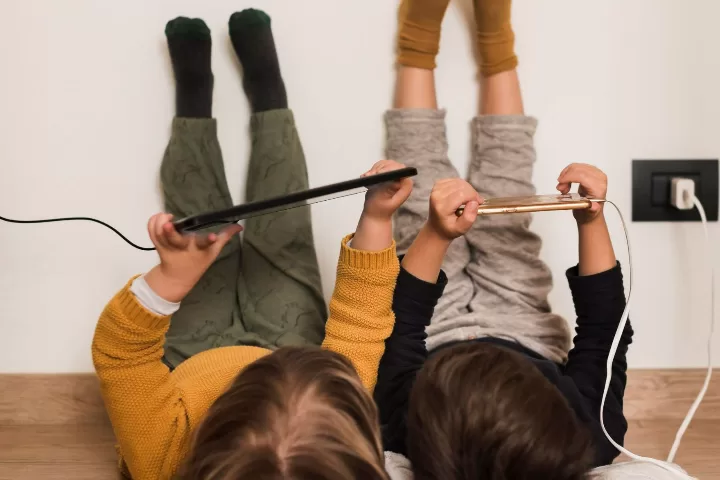
Bedtime doesn’t have to be a struggle! Stick to a routine, even on weekends. It can include a soothing bath, brushing teeth, and a trip to the bathroom, but it should always end in the bedroom. Plan a pleasant, relaxing activity before bed, such as reading in dim light. Make sure your teen doesn’t use screens before bed. Also, make sure the bedroom is dark, cool, quiet, and free of screens.
Can my teen fall asleep on time?
It’s not “mission impossible,” but let’s face it, it’s not easy. Your teen’s internal clock is pushing them to go to bed late at night and sleep in the morning. Dim the lights at night, whether they’re ready for bed or not. Remind your teen to unplug: turn off the TV, cell phone, and computer.
How do I recognize a sleep disorder?
Most of the time, your child’s troubles are just a part of growing up. But sometimes there’s a medical condition behind the problem. Watch out for snoring, long pauses between breaths, or trouble breathing while they’re sleeping. They may need to be checked for sleep apnea. Sleepwalking, nightmares, or bedwetting can also be signs of a sleep disorder. Talk to your pediatrician to find out what to do.
Source: https://www.webmd.com/