Fatty liver disease or hepatic steatosis, as doctors call it, has become so common lately that gastroenterologists almost consider it endemic. "There are so many patients that we see with hepatic steatosis when we do abdominal ultrasounds that this situation scares us. More than half of the patients we see every day have hepatic steatosis!", says Dr. Tudor Mocan, gastroenterologist specialist at Digital Clinics. The doctor also explains what the causes and consequences of this medical problem are.
If you have questions about fatty liver disease or other conditions in the gastroenterological field, do not hesitate to schedule an online consultation with a gastroenterology specialist.
What is hepatic steatosis?
Fatty liver disease/hepatic steatosis represents an excessive accumulation of fat in the liver. Doctors speak of the installation of steatosis when a large amount of fat accumulates in this organ, in a percentage of 5-10% of the total weight of the liver. The consequence? The liver no longer performs its function of filtering toxic substances for the body.
"As everyone understands, hepatic steatosis represents an excess fat load on the liver. It is a major health problem in the US and Western countries, it is a real public health problem in Romania as well, we are now approaching a similar situation in Western countries," draws the attention of Dr. Tudor Mocan, gastroenterologist at Digital Clinics.
Symptoms of hepatic steatosis
Unfortunately, fatty liver disease does not show many signs and symptoms, it has been silent and hidden for a long time. Only a routine check-up, an abdominal ultrasound for other conditions, highlights this medical problem. The good news? If diagnosed in time and measures are taken, hepatic steatosis is reversible.
Complications of hepatic steatosis
Hepatic steatosis increases the risk of developing steatohepatic inflammation, meaning that hepatocytes are loaded with fat, which can cause steatohepatitis. Steatohepatitis leads to fibrosis. Especially patients over 50 years old should do an investigation called fibromax, through which doctors check if there is fibrosis in the liver, because if there is, the risk of developing cirrhosis of the liver in 5-10 years increases.
Causes of hepatic steatosis
The main causes of hepatic steatosis are:
unhealthy diet
sedentary lifestyle
alcohol.
Excess weight, especially fat around the abdomen, can be a sign of the appearance of hepatic steatosis, especially since most people who have this condition are overweight. However, people who are only a few kilograms overweight for their height and age can also have hepatic steatosis, as can those who have a good body weight, although these cases are rarer.
Unhealthy eating means – chaotic eating, working late at the office, not getting enough rest, there is no longer a routine of the program with respect to meal times, and this chaos translates into eating in excess semi-prepared foods and foods that are easy to prepare, but with a high calorie index.
Sedentary lifestyle Arriving home late leads to giving up practicing a sport and preferring to sit in an armchair and nibble something. In the absence of time, we could at least walk more, if we do not practice any sport, which would help us a lot instead of sitting and looking at the screen of various electronic devices that only give the illusion of relaxation, do not relax either mentally or physically.
Alcohol In addition to inadequate nutrition and sedentarism, alcohol also has a say in the installation of fatty liver. "Consumption of even one or two beers can contribute to the onset of the disease. Likewise, the consumption of strong alcoholic beverages contributes to the possible appearance of steatosis. Sometimes there is a steatosis of mixed causes, that is, unhealthy diet and alcohol, you do not necessarily have to be an alcoholic to have hepatic steatosis, just as not all overweight people have hepatic steatosis", says doctor Tudor Mocan.
Treatment of hepatic steatosis
There is no drug treatment for hepatic steatosis/fatty liver. However, the solutions for its prevention are within everyone's reach and they are summarized as follows; specifies doctor Tudor Mocan:
• sustained physical effort, especially cardio exercises. "Don't say you don't have time, because there is always time for physical exercise, if we have the will!", warns doctor Mocan.
• take care of your body mass index (BMI), if you are already 4-5 kg overweight, try to return to a normal weight, because it helps us on several levels, not only in combating fatty liver, but also cardiovascular diseases, certain types of neoplasia or diabetes
• give up alcohol, even occasionally, because it contributes to the deposition of fat in liver cells.
Doctor Tudor Mocan's recommendations on the prevention of fatty liver disease:
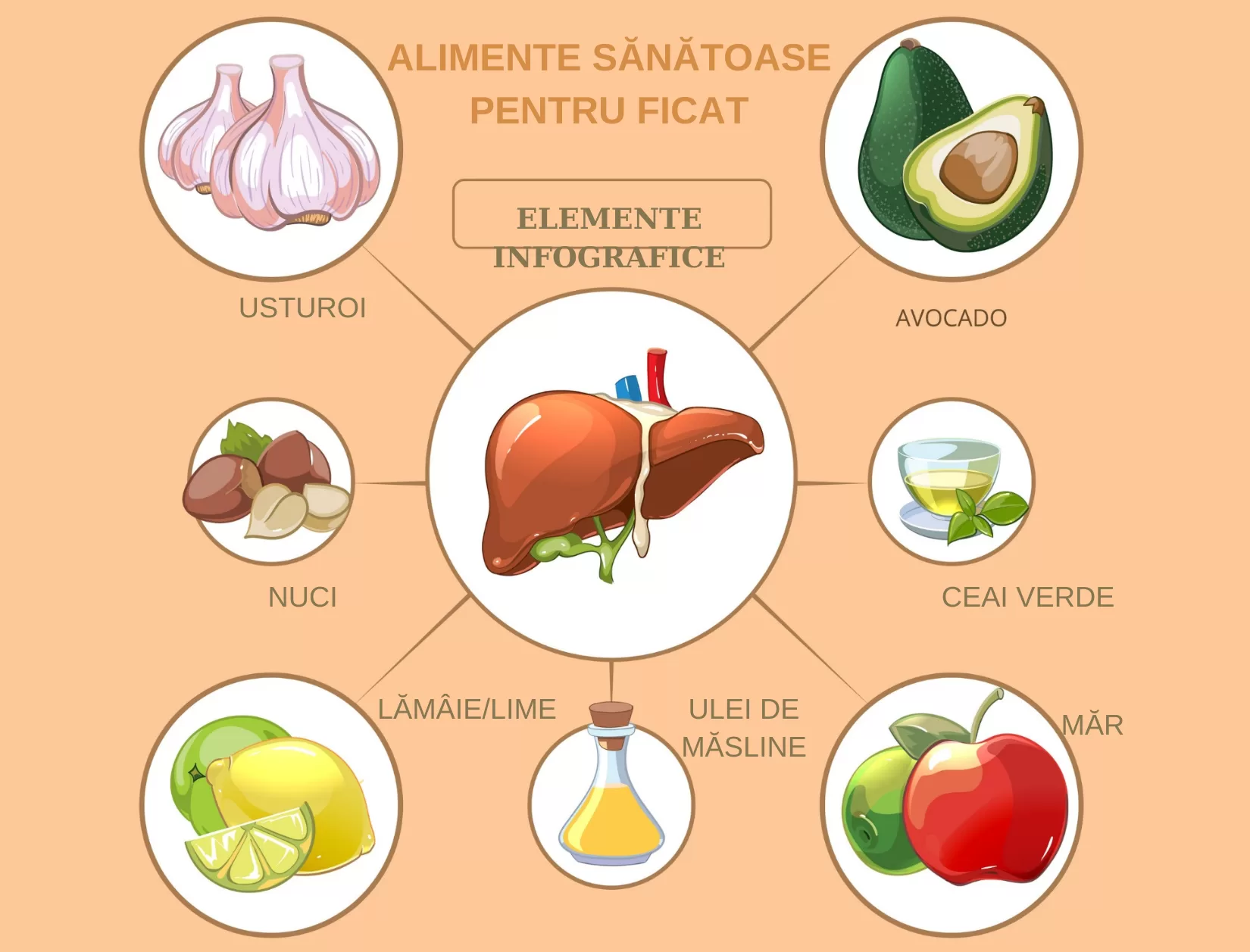
• Avoid industrially processed foods – sausages, chips, everything fried in oils, convenience foods, junk food, fast food! Don't be fooled by taking a ready-made product, putting it in the microwave for a while and it's ready!
• Keep the habit of cooking at home from as ecologically friendly products as possible. Home-cooked food is sacred!
• Give up alcohol, tobacco and unhealthy habits.
• Movement and movement, a healthy life means movement! No one is asking you for sports performances, but avoid a sedentary lifestyle at all costs!