Osteoporosis is a metabolic disease of the skeletal system, a condition that has a higher incidence among women than men. One in three women develops osteoporosis after the age of 60, while only one in five men experiences osteoporosis. Rheumatologist Teodora Polgar from Digital Clinics provides essential information related to this condition, urging us not to postpone the visit to the rheumatologist until the disease makes its presence felt through bone fractures, but to take action early.
If you are at menopause or know that you have cases diagnosed with osteoporosis in your family, do not hesitate to schedule anonline consultation with doctor Teodora Polgar on the Digital Clinics platform. Consulting a doctor early makes the difference between suffering fractures and managing bone problems so that they do not even become problems.
A disease without symptoms initially, osteoporosis consists of the gradual loss of bone mass and calcium. "It is a metabolic disease because it is related to the metabolism of calcium in the bone skeleton. The quality, quantity and strength of the bone skeleton decrease, so that even the slightest trauma can lead to bone breakage. The risk occurs especially in women, after the age of 50, and if other medical problems occur simultaneously with this condition, a seemingly simple bone fracture can lead to unimaginable complications," warns rheumatologist Teodora Polgar.
Risk factors
Genetic People who have a family history, especially a mother with osteoporosis or other relatives who have had osteoporosis, have a high chance of also experiencing this medical problem.
The person's gender and age represent an important risk factor. Women are more prone to osteoporosis than men. Why? Men have more developed muscles supported by a well-developed bone skeleton, having a greater bone capital, which is not lost so easily. Women have less developed muscles associated with a thinner bone skeleton. For a while, they are protected by estrogen hormones, which, among other functions, also protect bone mass, but after menopause, the situation changes. Estrogen levels decrease, and women lose bone mass at an accelerated rate. This is why, around the age of 60-65, many women who are already in menopause face osteoporosis.
Certain diseases such as: diabetes, hyperthyroidism, inflammatory diseases predispose to the occurrence of this condition.
Corticosteroid treatments People who suffer from inflammatory bone diseases who have to take corticosteroids may, at some point, if the doctor does not juggle the administered corticosteroid treatment very well, end up developing osteoporosis.
Alcohol, smoking and sedentary lifestyle are each risk factors predisposing to osteoporosis.
Body mass index – low BMI, underweight people are also prone to osteoporosis, especially after menopause. But men are not exempt from this disease either. "Without recommending obesity in any form, it must be said that, strangely enough, overweight people do not get osteoporosis. They have other medical problems, problems with the joints, but not with osteoporosis. Their bones, being always forced to carry a greater weight for a long time, become stronger. Therefore, an obese woman in menopause will rarely get osteoporosis," explains doctor Polgar.
Osteoporosis, a disease without symptoms
If in the case of other conditions, the patient receives some signals from the body, signals that we call symptoms and that put him on guard, at least in part, in the case of osteoporosis the signals are almost non-existent. Perhaps just a sudden drop in height of a few cm may raise a question mark, or, possibly, the appearance of a hump, as we pass the age of 50, could be alarming. Moreover, osteoporosis can be so silent that microfractures can appear in our spine without them being identifiable on an X-ray, and we only find out that we have osteoporosis when we are faced with a hip or forearm fracture. This would not be a problem, either, if, especially after the age of 65, other medical problems did not appear, which associated with a hip fracture can immobilize the patient, and at older ages can increase the mortality rate by 20%.
Osteoporosis Diagnosis
"Osteoporosis is very easy to detect and we have very effective treatment. The biggest risk is to do nothing!", says rheumatologist Teodora Polgar. The definitive diagnosis of osteoporosis is made with the help of osteodensiometry or DEXA for short. This is a non-invasive investigation method that takes 2-3 minutes. Any woman who has entered menopause 3, 4 or 5 years ago should have a bone osteodensiometry, even if she has no symptoms, and after the age of 65, this investigation is mandatory.
Osteoporosis treatment
"Treatment is given to the patient based on the score obtained in osteodensiometry (DEXA). If the bone density has obtained a T score equal to or greater than -1, then the bone density is normal. If the T score is between -1 and -2.5, then the person has osteopenia and not osteoporosis, and the indicated treatment consists only of administering calcium and vitamin D, for calcium absorption. However, if the T score is -2.5 or lower, targeted osteoporotic treatment is recommended. There are 2 large classes of treatment that increase bone mass: bisphosphonates and teriparatides. Both treatments block the body's access to the calcium deposit in the bone and thus the body increases its bone mass capital. And there are also anabolic drugs that simulate the body's hormones and help it to force calcium into the calcium deposit. In addition to these drugs, the patient must take calcium and vitamin D. The treatment is administered for a minimum of three, maximum of five years. Usually, the following osteodensiometry results are observed an increase in calcium levels in the bones.
Doctor Teodora Polgar's recommendations for preventing osteoporosis
Osteoporosis can be prevented by:
• Healthy diet – this should not lack proteins, calcium and vitamin D that we take through responsible sun exposure, but also through vitamin D supplements. It is considered that if we eat three types of dairy products daily (milk, cheese, yogurt) it is enough to have the optimal calcium requirement, obviously associated with vitamin D from moderate sun exposure.
• Quitting smoking and reducing alcohol consumption
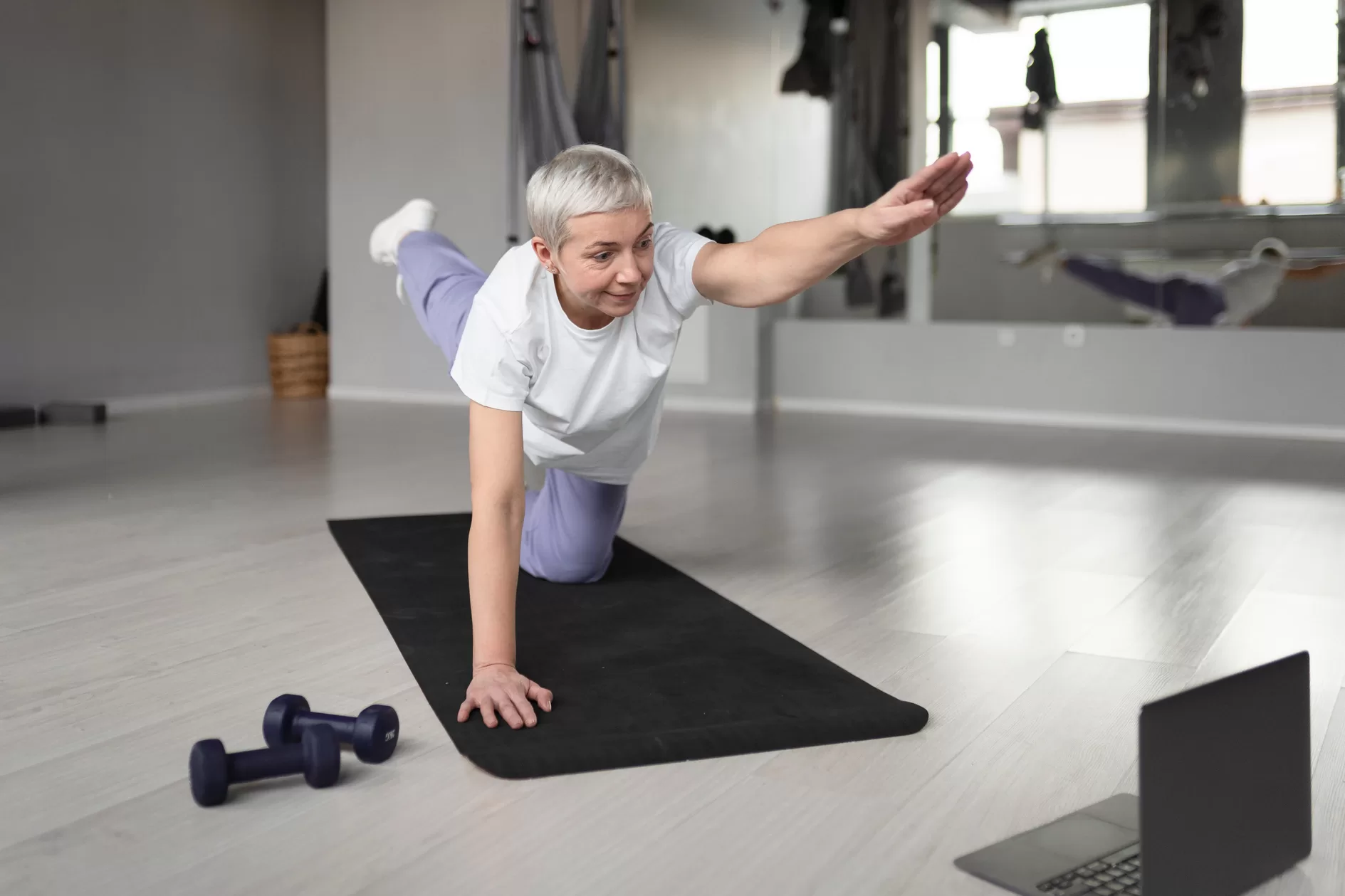
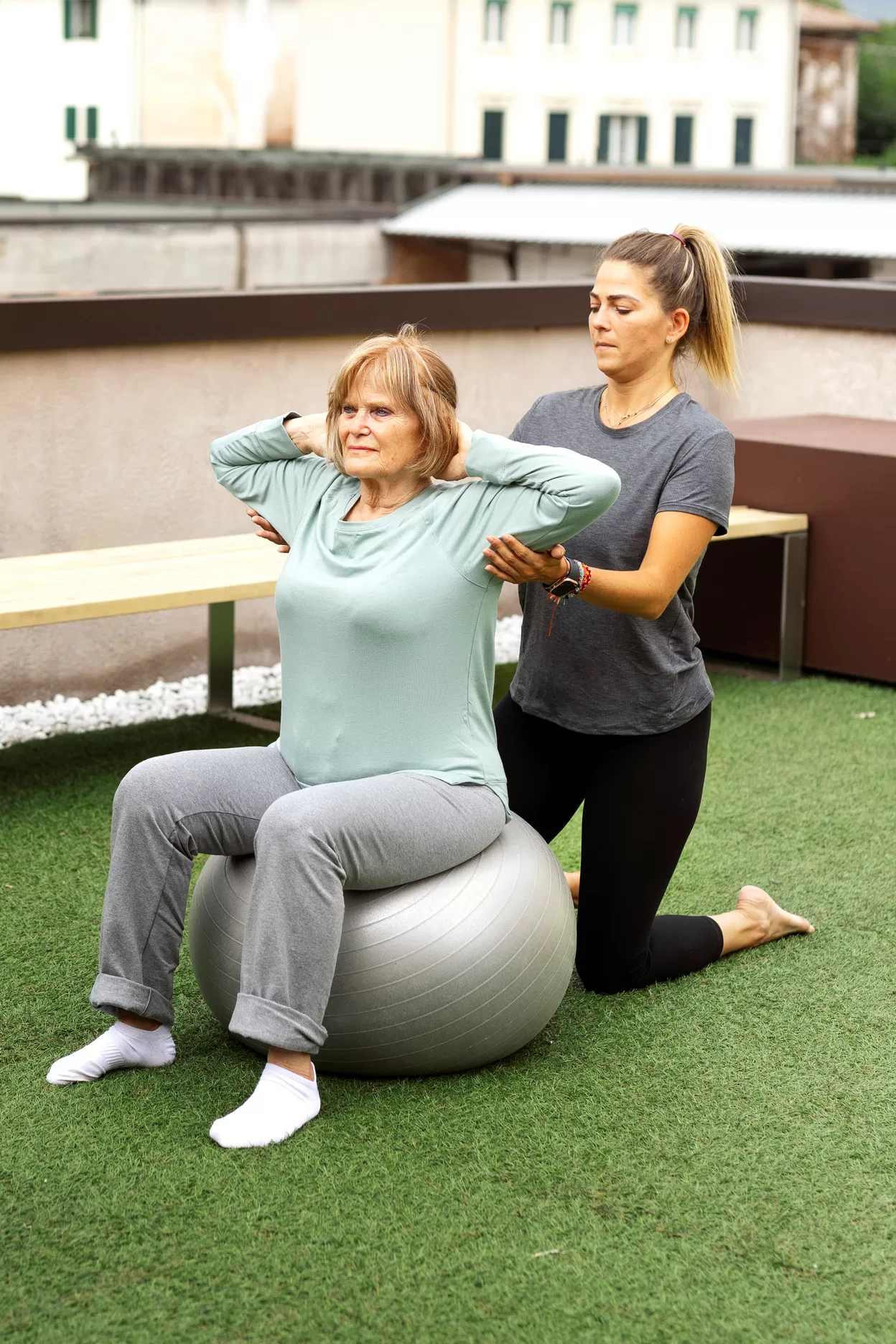
• Performing moderate physical exercises:
1. Walking for half an hour at a brisk pace. "Every time we touch the ground with our feet, the calcium requirement increases and the bone makes new calcium deposits," says doctor Polgar.
2. Dancing
3. Dumbbell exercises
4. Practicing Tai Chi exercises These force the body to change its centers of gravity and control our force of movement