Any nutritionist will urge the public to consume nutritious and healthy foods. But how do we know that food is nutritious and healthy when many food products often have nothing to do with these two requirements? We learn about how we choose food products and what we need to do to correctly opt for healthy and nutritious food from the specialists of Digital Clinics.
If you have questions about nutrition or a healthy diet, do not hesitate to schedule an online consultation with a doctor specializing in diabetes and nutrition.
European food trends
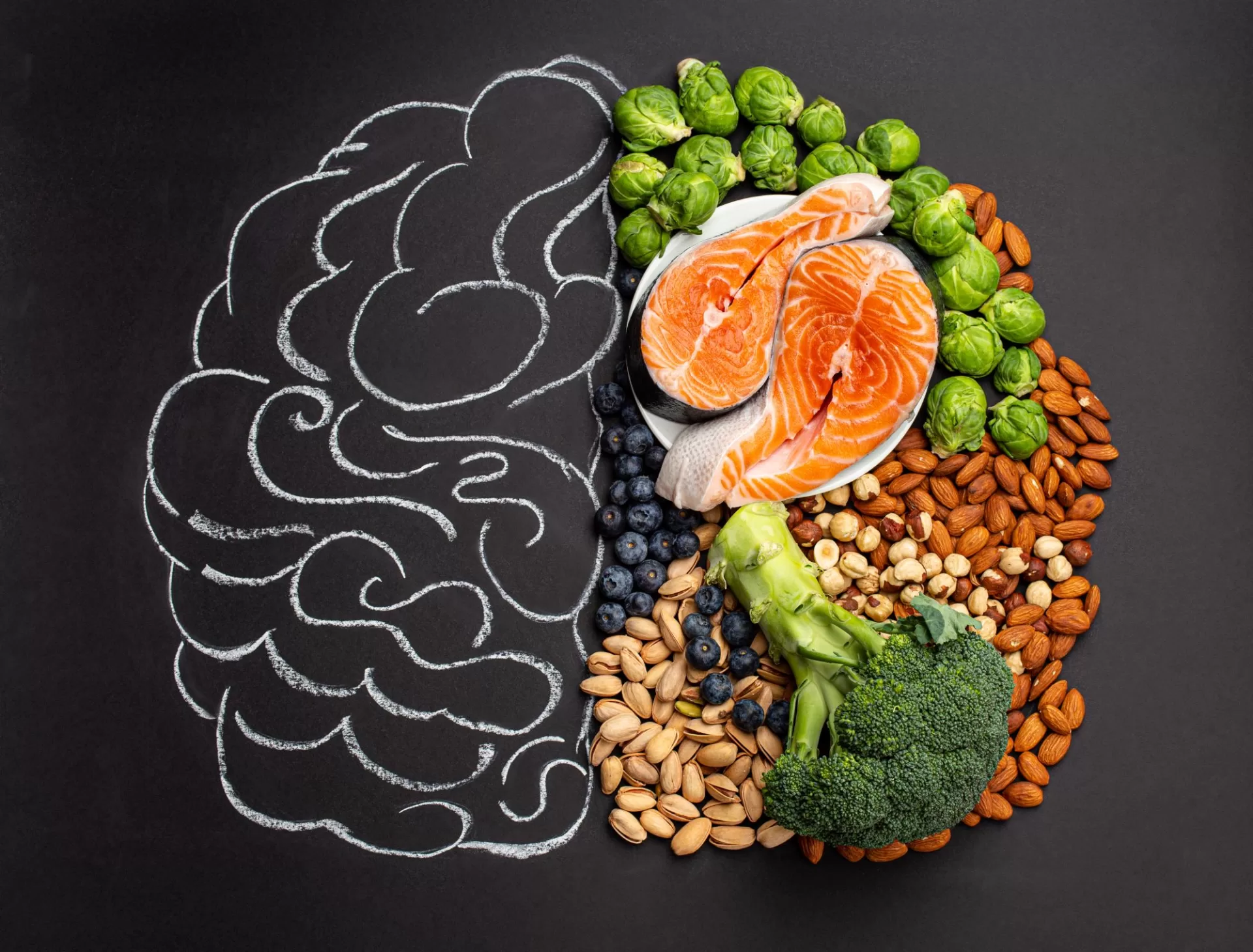
Current food trends at the European level aim at informed consumption through education, balanced and sustainable consumption. Many EU countries have set themselves the goal of reducing their consumption of animal products by 20% by 2030. “There is a reorientation towards the plant area and alternative sources of food, for antioxidant protein and compounds beneficial to health,” explains prof. univ. dr. ing. Nicoleta Stanciuc, vice-dean of the Faculty of Food Science and Engineering, at the Dunărea de Jos University in Galați.
The myth of milk toxicity
The specialist warns, however, that especially in the online environment, on social networks, all kinds of more or less knowledgeable "nutritionists" make various bizarre dietary recommendations, which have nothing scientific in them. For example, they often claim that milk is totally harmful to the body, while it is known that, for example, through the substances it contains, a glass of milk drunk at night before bed can induce sleep and combat insomnia.
E numbers between myth and truth
E numbers are food additives regulated at European level (hence the name E numbers) that are added to food products in well-established and calculated concentrations so as not to endanger people's health and to extend the shelf life of the products. "E's have been used in food since Roman times, for example salt (sodium chloride) for food preservation. Others are newer. In general, research has been done for additives that have established a certain amount that does not affect health. Of course, in the long term, there may be a cumulative effect of some of these E's, for example nitrites. What does this mean? Let's have a rational consumption of products with food additives and not go to excess. E's in small quantities do not affect health, in large quantities they do. Whether we are talking about meat, beer or wine technology, each technology has a maximum allowed amount of additive that can be added, that is, there is a limit, what does this mean? To eat/drink healthily, read the food label! All the data that interests the qualities of the respective food product is listed there.
The myth of aquaculture fish
Everywhere in the media or on social networks there is talk about the fact that aquaculture fish is more harmful than wild fish, being "stuffed" with antibiotics and growth hormones. "It's a myth. Ocean fish can also contain heavy metals or other harmful substances taken from the polluting environment in which it lives. It is known that a lot of toxic substances reach the seas and oceans of the planet and that toxic and polluting substances have been found both on the highest mountain peak on the planet and in the deepest place on Earth", says the vice-dean of the Faculty of Food Science and Engineering, at the Lower Danube University in Galati.
For example, the famous pangasius fish can grow in the natural environment on an extremely polluted river and its meat can contain various substances harmful to the body or it can come from a clean environment, from a river less exposed to pollution. The country of origin of the fish/food product and the regulations that are followed there matter.
Certified organic vegetables and fruits as an alternative to foods from industrialized agriculture
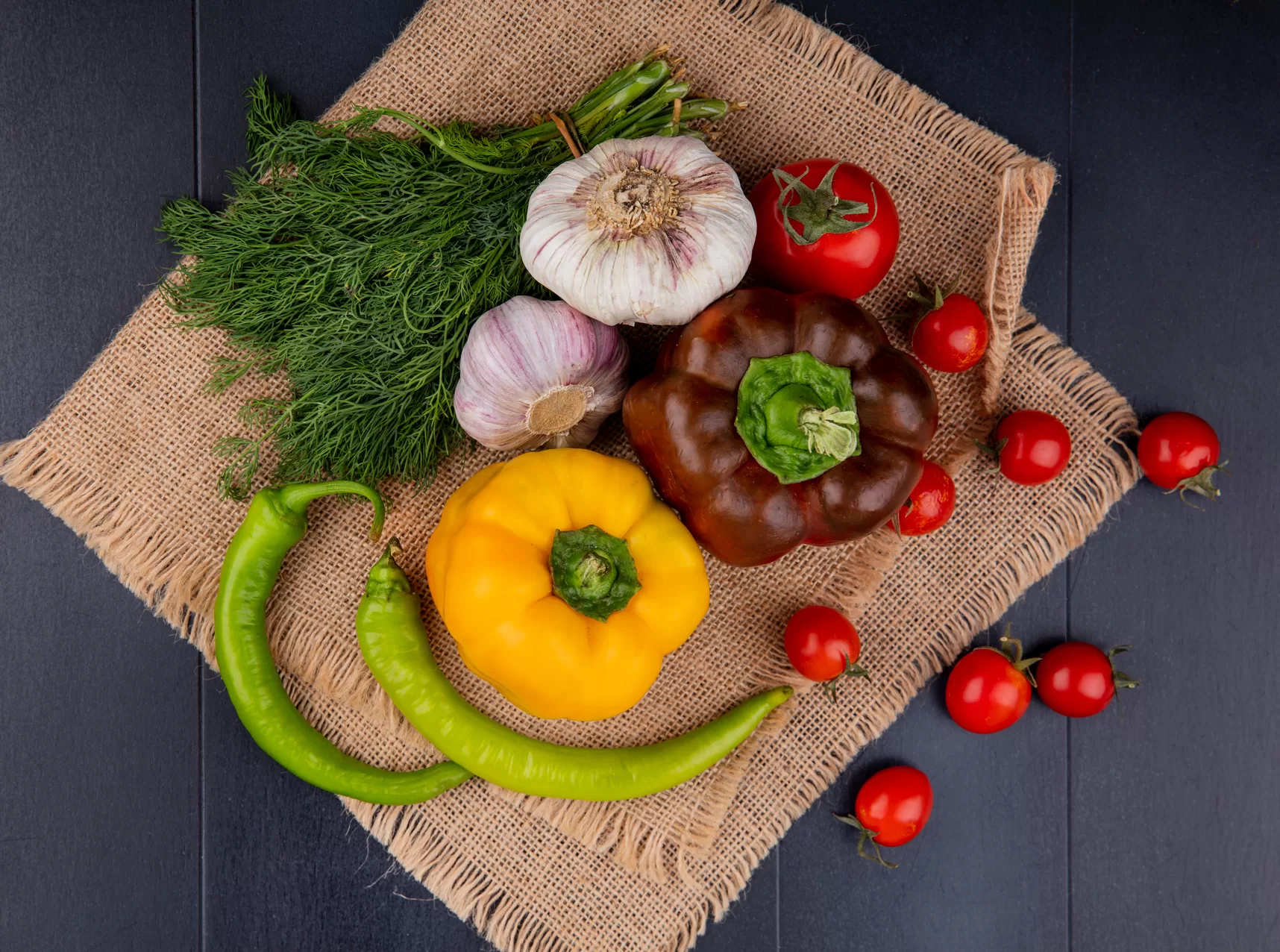
Pesticides are used in agriculture to increase productivity. The treatment of soils and plants is carried out according to certain good practices that obviously should be sanctioned if they are violated. "The alternative to avoiding products with pesticides would be to either have our own garden, where we know what treatments we have administered, or to choose vegetables and fruits from certified organic production, that is, where conventional fertilizers or chemicals are not used, meaning from the quality of the soil to the growth and development of the plant and the avoidance of pests, we are talking about using only natural products," says Prof. Nicoleta Stanciuc.
The myth of bones and skin in sausages and parizer
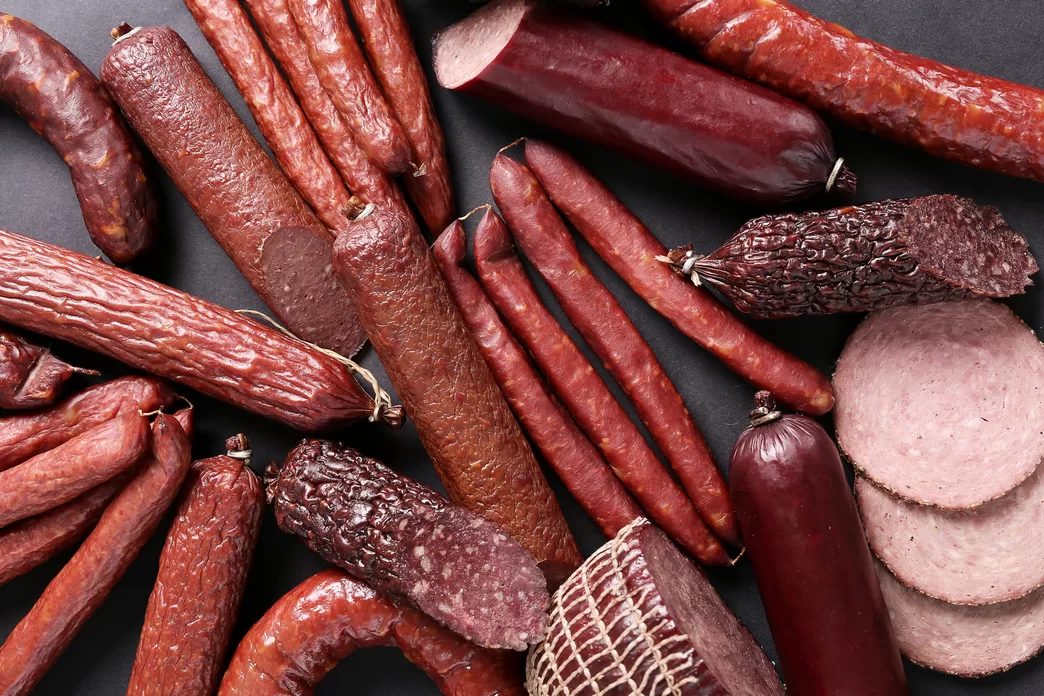
Correctly, recipes for sausages and parizer must contain boneless meat, added fat, water, ice, binding agents, and preserves. The meat must be in the largest proportion. "Sausages or Pariser are not allowed to contain any other ingredients than their classic recipe, so no bones, claws, skin, etc. Obviously, here we must read the label of these food products very carefully, if they contain 23% meat, it is clear that we have a problem and the consumer must ask himself some questions. It is different if the product contains 60% meat or 80% meat. This applies to all sausage products. The secret lies in reading the label. Producers are obliged to display all the data on the label, there is regulation no. 1169/2011", adds Nicoleta Stanciuc.
Doctors' recommendation:
• Consume food of safe origin.
• Read food labels carefully beforehand.
• Opt for certified organic/bio food products.
• Consume products with E numbers rationally, that is, in moderate quantities.