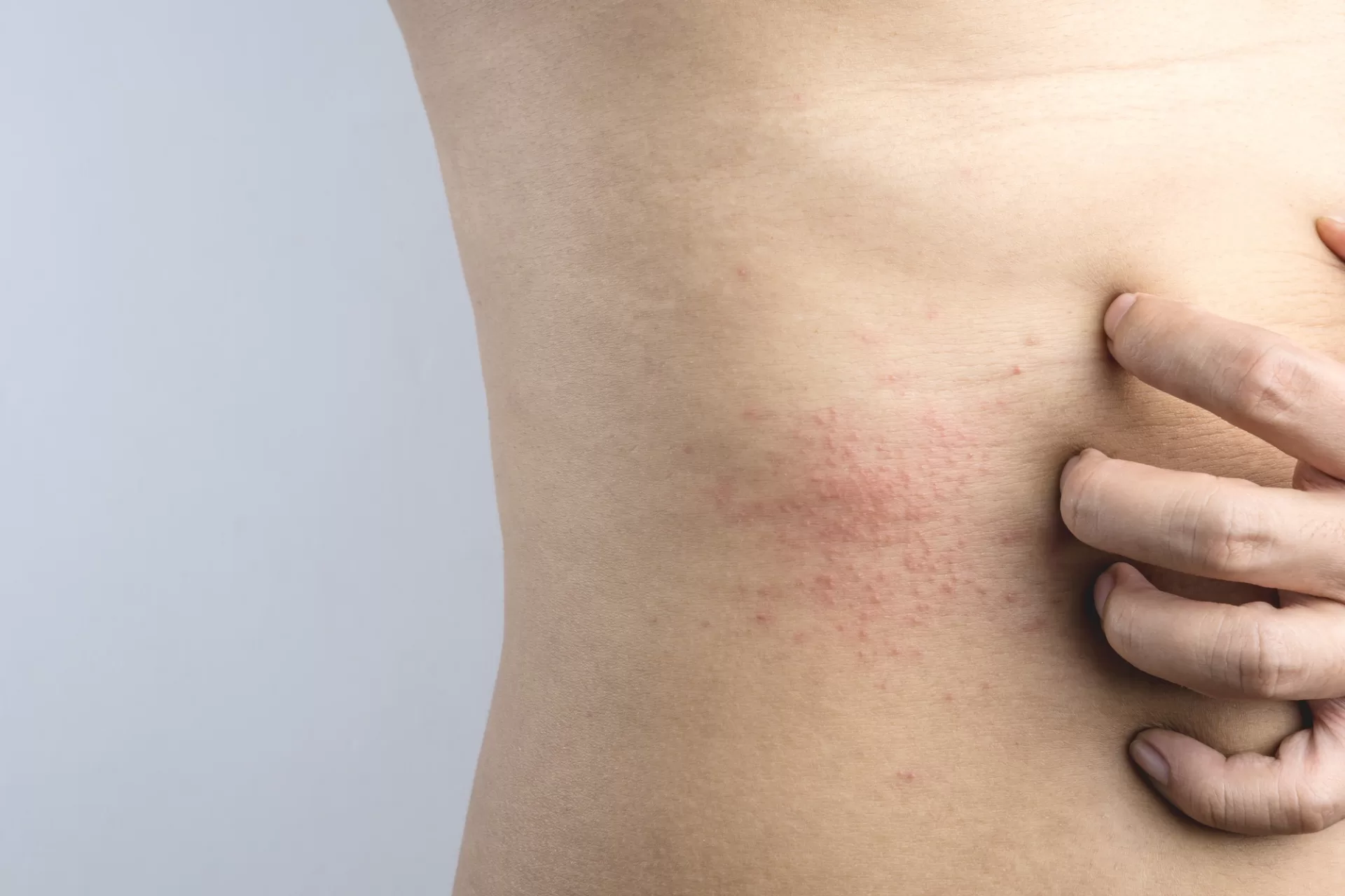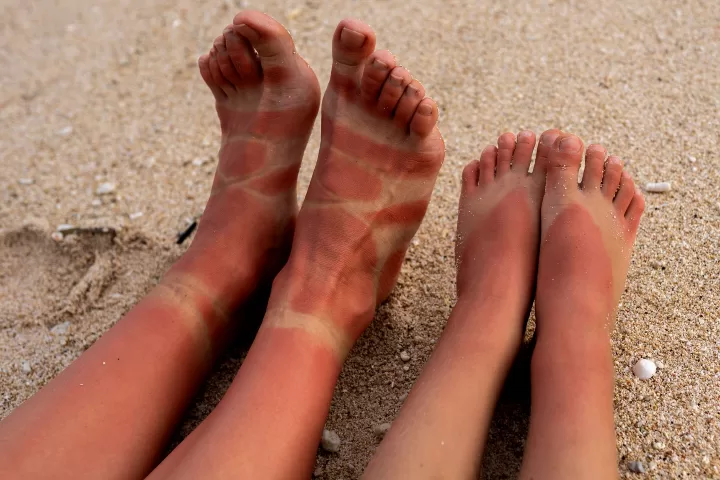
Skin rashes, also known as hives, can be red, inflamed, bumpy, or dry, itchy, or painful. The main cause of these is dermatitis, which occurs when the skin reacts to allergens or irritants. Bacteria, viruses, allergens, and conditions including eczema, hives, and psoriasis can all be the source of rashes. Fortunately, there are a variety of treatments that can help relieve your symptoms and get rid of your skin irritation.
The dermatologists at Digital Clinics are highly experienced in evaluating, diagnosing, and treating skin conditions. If you are experiencing any of the conditions described in this article, you can consult a dermatologist here.
What is a rash?
A rash or skin irritation occurs when the skin becomes red, inflamed, and bumpy. Some rashes are dry and itchy. Some are painful. Many things can cause a rash, including viruses, bacteria, allergens, and skin conditions like eczema.
How often do rashes occur
Almost everyone develops at least one rash in their lifetime. It’s extremely common to feel itchy or have red, bumpy skin for a while.
Who gets rashes
Everyone – from infants to the elderly – can get rashes. Babies are prone to skin irritations in the diaper area or on their scalp. Children are prone to atopic dermatitis and often catch viruses that cause rashes, such as childhood illnesses – chickenpox, measles, etc. Older children or adults can also develop contact dermatitis as their skin becomes sensitive to allergens or irritants over time.
What are the types of rashes
Contact dermatitis
This form of dermatitis occurs when the body reacts to a substance it doesn't like. Many people are allergic to perfumes, preservatives, nickel (often found in jewelry), or various plants, such as ivy, for example. Common irritants include soaps, detergents, chemicals, and household cleaners.
Eczema
Also called atopic dermatitis, eczema often develops in childhood and often improves as the child grows older. It tends to run in families with a history of such skin conditions (genetics). People who suffer from asthma or allergies are more likely to also have eczema.
Hives
Hives cause itchy skin and red, sometimes raised, welts. You may have hives if you have a reaction to airborne allergens or insect stings. Extreme changes in temperature and certain bacterial infections can also cause hives.
Psoriasis
This skin condition, once triggered, persists throughout life and causes a thick, scaly rash. The rash often forms on the elbows, knees, lower back, scalp, and genitals. Psoriasis can be inherited.
Viral
Rashes are a common symptom of many viral conditions, such as chickenpox, measles, and molluscum contagiosum.
Symptoms and causes
What causes skin rashes?
Rashes are most often caused by:
- Environmental allergens
- Bacterial infections, such as streptococcal infections
- Skin diseases
- Irritants
- Viruses
What are the symptoms of a rash?
The symptoms of a rash vary depending on the type and cause. Rashes can develop in one area of ??the body or all over the body. A rash can be:
- Dry.
- Blistering.
- Blotchy.
- Burning or stinging.
- Scaly skin.
- Swollen.
- Painful.
- Red.
Diagnosis and tests
How is a rash diagnosed?
Because so many things can cause a rash, diagnosis can be difficult. A dermatologist will examine the rash, evaluate your symptoms, and take a medical history. Sometimes tests are needed, such as:
Biopsy
The doctor may take a small sample (biopsy) of skin or other tissue to check for a virus or bacteria.
Allergy test
Allergy tests, such as skin prick tests and patch tests, identify allergens. Such tests are helpful in diagnosing hives; Patch testing is useful for diagnosing allergic contact dermatitis. In these tests, your doctor exposes your skin to small amounts of the allergy-causing substances and observes for a reaction. You may be tested for just a few allergens or many at once. You have an allergy if your skin turns red, swells, or develops a rash.
Blood tests
Some skin conditions may be caused by antibodies circulating in your blood, which can be detected by blood tests. Other rashes may be a manifestation of another systemic disease, and blood tests may be done to check for involvement of other organs.
Treating skin irritation
How is a rash treated?
Treatment for a rash depends on the cause. It can take several weeks for the rash to go away. Treatments for a rash may include:
Allergy medications
Oral antihistamines, a type of allergy medication, reduce itching.
Anti-inflammatory creams
Hydrocortisone creams calm inflammation and itching.
Immunosuppressants
If the rash is caused by eczema or an immune system response, medications can reduce the reaction. By calming it down, the inflammation (irritation) can be minimized.
Oatmeal Baths
Soaking in a warm bath with colloidal oatmeal can help relieve dry, itchy rashes.
Steroids
If symptoms persist, your doctor may prescribe a topical steroid cream or an oral steroid such as prednisone. Steroids relieve inflammation and itching.
Topical immunomodulators
These medications alter (modulate) the body’s immune system’s response to allergens.
Any of the products listed should be used only under the advice of a dermatologist.
What are the complications of a rash?
They are bothersome and unsightly, but rashes usually respond well to treatment. They rarely cause serious problems. Potential problems include:
Anaphylaxis
A severe allergic reaction can cause a rash and a life-threatening condition called anaphylaxis. The extreme swelling (angioedema) from anaphylaxis can close off the airways. People in anaphylaxis need an immediate injection of epinephrine to counteract this allergic response.
Infection
Scratching an itchy rash can break the skin, allowing germs to enter. Scratching puts you at risk for developing a bacterial skin infection.
Prevention
How can you prevent a rash?
You can reduce your chances of developing a rash if you:
- Avoid known triggers, such as allergens and irritants.
- Do not share personal items or clothing with anyone who has a virus that causes a rash.
- Use mild, fragrance-free, hypoallergenic soaps, cleansers, and moisturizers.
- Wash your hands immediately after coming into contact with a known allergen or irritant.
When should you see a doctor?
You should contact your dermatologist and seek emergency care if your rash:
- Comes with severe breathing problems that could indicate anaphylaxis.
- Comes on suddenly.
- Covering the entire body.
- Spreads quickly.
- Comes with a fever.
- Has blisters or open sores.
- Looks infected (red, warm, or swollen with yellow pus).
What questions should I ask my dermatologist?
If you have a rash, it’s a good idea to ask:
- Why do I have a rash?
- When will the rash go away?
- Should I get an allergy test?
- What are the best treatments for a rash?
- What steps can I take to prevent rashes?
- What are the best treatments for an itchy or painful rash?
- What over-the-counter cleansers and moisturizers do you recommend?
- What should I watch for signs of complications? What are these?
On Digital Clinics platform it is very easy to consult a dermatologist with at least five years of experience and get all the answers you need.