You can schedule an online consultation with dermatologist Natalia Stanimir by accessing this link: https://www.digital-clinics.com/medici/elena-natalia-stanimir/
The skin, the largest organ of the human body, can be a “real” map when it comes to the signs it sends us. A seemingly trivial mole, some color changes, all of these can hide much more serious conditions. Dr. Elena Natalia Stanimir, a dermatologist who provides online consultations on the Digital Clinics platform, spoke to us at length about the importance of an annual dermatological check-up, about the most common conditions patients present with, but also about how to choose the right skin care products.
How often should we have a dermatological check-up?
Regular visits to the dermatologist are particularly important for your safety. Dermatology is a branch that deals with the diagnosis and treatment of a wide range of skin diseases, but also systemic conditions with skin manifestations. Let’s take skin cancer as an example: diagnosing it as early as possible can save your life.
Some skin problems can actually hide more serious conditions. What are the manifestations that we should not ignore?
There are many signs that can hide a much more serious condition. For example, certain changes in color on the hands or feet can indicate an autoimmune disease. The mole that we have been taking care of for years and "don't deal with it because it's been there for as long as we know each other" can hide skin cancer, possibly in an advanced stage. It is important to go to the doctor when changes occur in our health or when lesions appear on the skin that do not heal.
Since you brought up moles: when should we be concerned about them?
Any mole that changes over time in shape, color, contour, size or certain symptoms such as pain, itching, redness or that bleeds without being traumatized should be sent to the dermatologist. Also, any mole that is different from all the others is an alarm signal, we call it an "ugly duckling". Traumatized moles should be monitored at intervals indicated by the dermatologist. A monthly check of moles by the patient and an annual check by the dermatologist is required.
What are the most common conditions that patients present with?
In everyday practice, we most often encounter conditions such as acne, seborrheic dermatitis, chronic venous insufficiency in various stages, up to venous ulcers, skin infections (viral, bacterial, fungal), precancers and skin cancers (actinic keratoses, basal cell carcinomas more often). Among children, depending on the stage of development, we are faced with diaper dermatitis, seborrheic dermatitis, atopic dermatitis, vulgar warts, bacterial infections.
How does an unhealthy lifestyle (diet, stress, lack of exercise) leave its mark on the skin?
Diet, stress, smoking, water consumption, exposure to certain substances, certain working conditions, to environmental changes (wind, cold, solar radiation) are factors that influence the health and appearance of the skin. There are numerous skin conditions that are determined, maintained or exacerbated by one of the factors mentioned (acne, rosacea, psoriasis, seborrheic dermatitis, skin cancers - and the list goes on).
What advice do you give teenagers about acne? What hygiene rules should they follow? How should we, as parents, approach this problem?
One of the effects of hormonal changes during adolescence is the appearance of acne. This also contributes to the emotional rollercoaster of this important period of their lives. Parents should be the cornerstone, the people who notice the changes and come to the support of the teenagers. A visit to the dermatologist is essential from the first acne lesions. Treated early, the risk of post-acne scars is reduced, with a major impact on self-esteem.
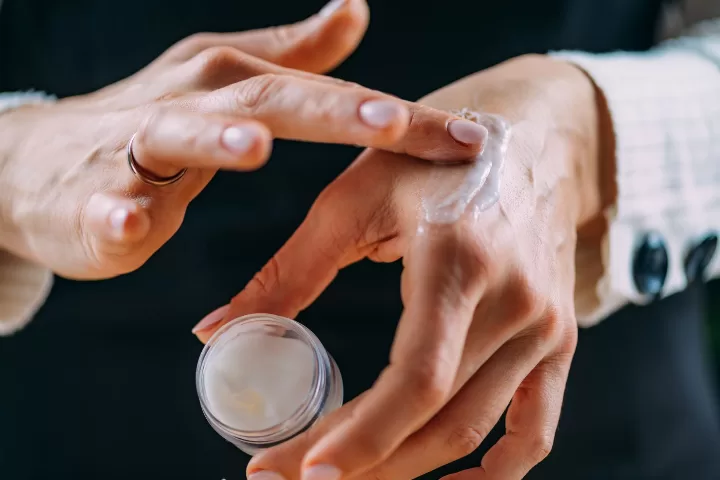
Patients will have a simple care routine that acts on the key factors involved in acne. This will consist of a cleansing product that removes sebum and impurities and unblocks pores. Cleansing is followed by a moisturizer appropriate for the skin type, which also regulates sebum secretion. In the evening, we add a medicinal product that additionally helps with the elements described above, but most importantly, it reduces inflammation, reduces the amount of Propionibacterium acnes involved in acne, reduces keratinization of the sebaceous gland duct, unblocking it.
What should we pay special attention to when choosing cosmetics and dermatocosmetic products?
In recent years, there has been an avalanche of new products, so it can be difficult to find the ones that are truly suitable for our needs. First of all, we must choose those dermatocosmetic products that contain safe, tested active substances. Secondly, it is necessary to know your skin, the approach being different depending on its needs. Normal to combination skin needs foam, gel, non-oily, non-comedogenic (not blocking pores) cleansing products.
Contrary to popular belief, oily skin also needs hydration, with products that regulate sebum secretion. On the other hand, dry, sensitive skin requires gentle cleansers and more intense hydration. Avoid products that contain alcohol, parabens, dyes, fragrances, or other harmful chemicals. Before using, test them on a small area of skin to identify possible allergic reactions. See a dermatologist if skin problems persist or worsen.
You can schedule an online consultation with dermatologist Natalia Stanimir by accessing this link: https://www.digital-clinics.com/medici/elena-natalia-stanimir/