Smell nice, they are trendy and they don't seem to freshen up the rooms, these are the reasons why we use ambient perfumes or so-called room air fresheners. Are they healthy, though? Here is a question whose answer should not give you any time to think.
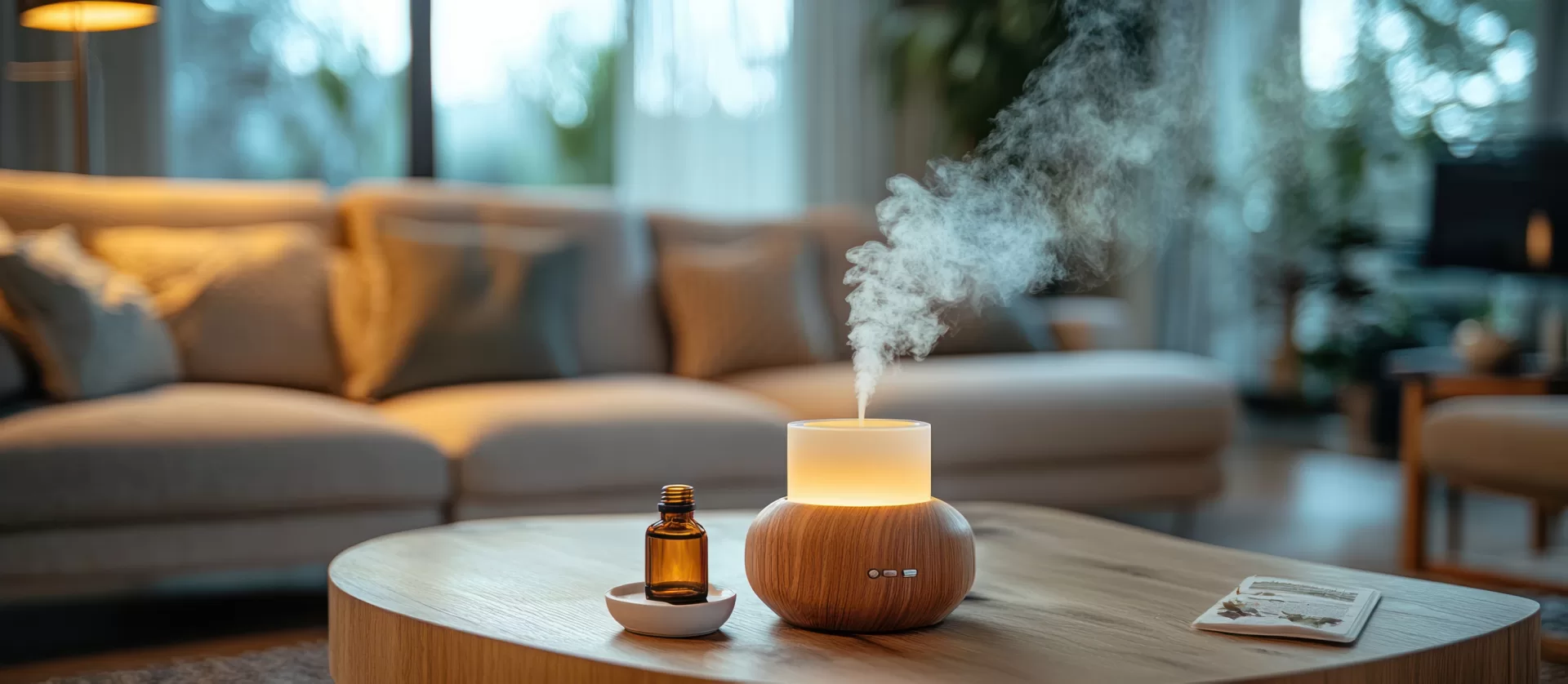
Scented candles, scented sticks, aroma diffusers with essential oils, sprays and or ambient perfumes, all to create an atmosphere, to freshen up the room to leave the most pleasant impression on visitors who enter our home, company or office. We also use ambient air fresheners to leave a pleasant memory to customers who visit our store so that they can then associate the pleasant aroma they feel with the products they sell. And I'm not referring to the merchants who deal with this: they sell perfumes, but to numerous stores in malls where you can tell the name of the brand by the ambient fragrance in the store with your eyes closed. These are just a few examples and as many reasons that demonstrate the widespread use of ambient fragrances in today's world. Unfortunately, most ambient fragrances are chemical products, harmful to the body.
Why are ambient fragrances dangerous to the body?
Phthalates
Specialists in chemistry and biochemistry point out that beautiful-smelling substances need other substances to stabilize the smell, that is, they need stabilizers called phthalates. Unfortunately, these phthalates have a chemical structure very similar to the hormones produced by our endocrine system, they simulate estrogen, which leads to hormonal disorders, because the body becomes confused and takes these phthalates as its own products, and this affects fertility, especially women and children, but also the health of children. Phthalates block the formation of thyroid hormones and, thus, hypothyroidism occurs in children and young people, which in turn triggers obesity, because the body no longer has the necessary means to help it get rid of adipose tissue.
Aromatic hydrocarbons
Another reason why the human body can be affected by the use of scented candles or room or car air fresheners is represented by the fact that many of them contain propane, butane, acetone, ethanol or limonene which have an irritating effect on the respiratory tract and eyes. In addition, they can react with the oxygen in the air, in which case they form formaldehyde, a carcinogenic substance. Air fresheners are therefore a source of air pollution, they do not freshen it at all; they can also release benzene, toluene and other harmful aromatic hydrocarbons into the air, usually potentially carcinogenic and can remain in rooms for a long time, even accumulating if the space is not well ventilated. I'm not saying that they only mask odors, they don't eliminate them.
Conditions that can be triggered by room or car air fresheners
It is estimated that approximately 20% of the population suffers from the use of air fresheners, and approximately 34% of people with bronchial asthma can immediately have an asthma attack because of this. Among the most common conditions triggered by air fresheners are:
- allergies
- bronchial asthma
- eye and skin irritation
- lung diseases (the sticks so often used in the East for religious rituals, if they are frequent in poorly ventilated rooms, can have more harmful effects than cigarettes)
- headaches, migraines (many air fresheners release neurotoxins into the air, for example xylene is responsible for both migraines and depression and short-term memory impairment)
- various types of cancer (for example, benzenol is carcinogenic and toxic to development and reproduction, parabens can lead to the appearance of health cancer and hormonal disruptions; acetaldehyde is a recognized carcinogen, responsible for triggering many types of cancer, etc.).
Natural air freshener solutions
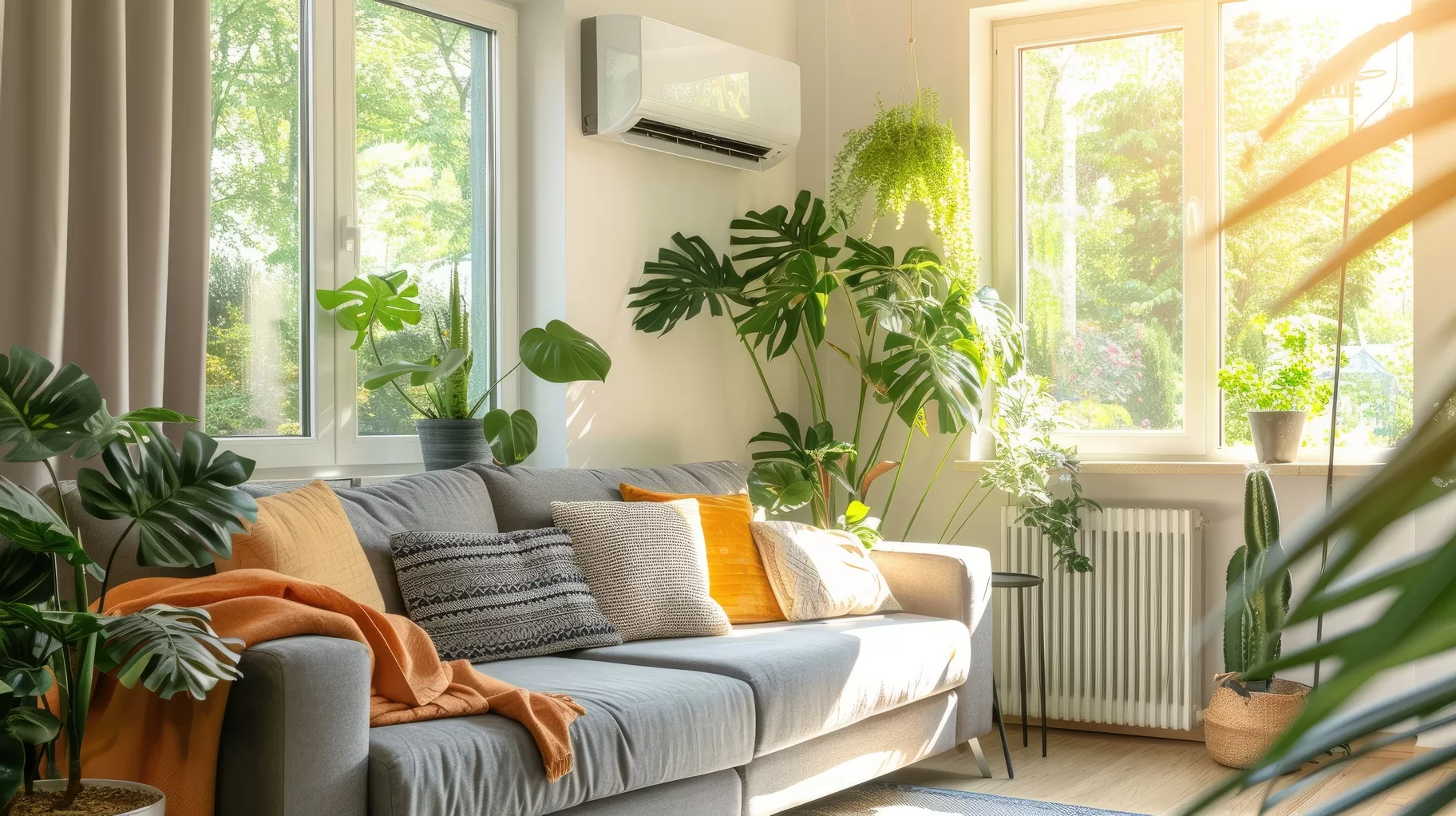
Open the windows wide to let in fresh air!
Let's not forget that we spend 90% of our time at work, at school and at home, that is, in closed spaces, where the amount of oxygen is lower than outside and the air is more filled with dust or noxious substances coming from cleaning products. That is why the best solution to freshen the air in an area, in addition to frequent cleaning with as natural products as possible, is proper ventilation of the rooms where we live, work or study, and by no means masking unpleasant odors.
Place indoor plants that absorb unpleasant odors
Ivy and aloe vera are two examples of plants that absorb unpleasant odors and purify the air in the room, so use them with confidence!
Baking soda
Placing containers with baking soda in certain areas of the rooms helps absorb unpleasant odors.
Distribute sachets with natural aromatic herbs in the rooms!
Doctors point out that even the most natural ingredients – such as essential oils placed in diffusers – do not guarantee that certain toxic compounds cannot be released into the air. A handy solution? Use sachets with citrus peels, cinnamon, oriental aromatic herbs, lavender that you change at certain intervals.
Strategically placed throughout the room, sachets with aromatic herbs refresh the atmosphere without causing health problems, and even help relax the nervous system. And in parallel, avoid room and car air fresheners and scented candles as much as you can.