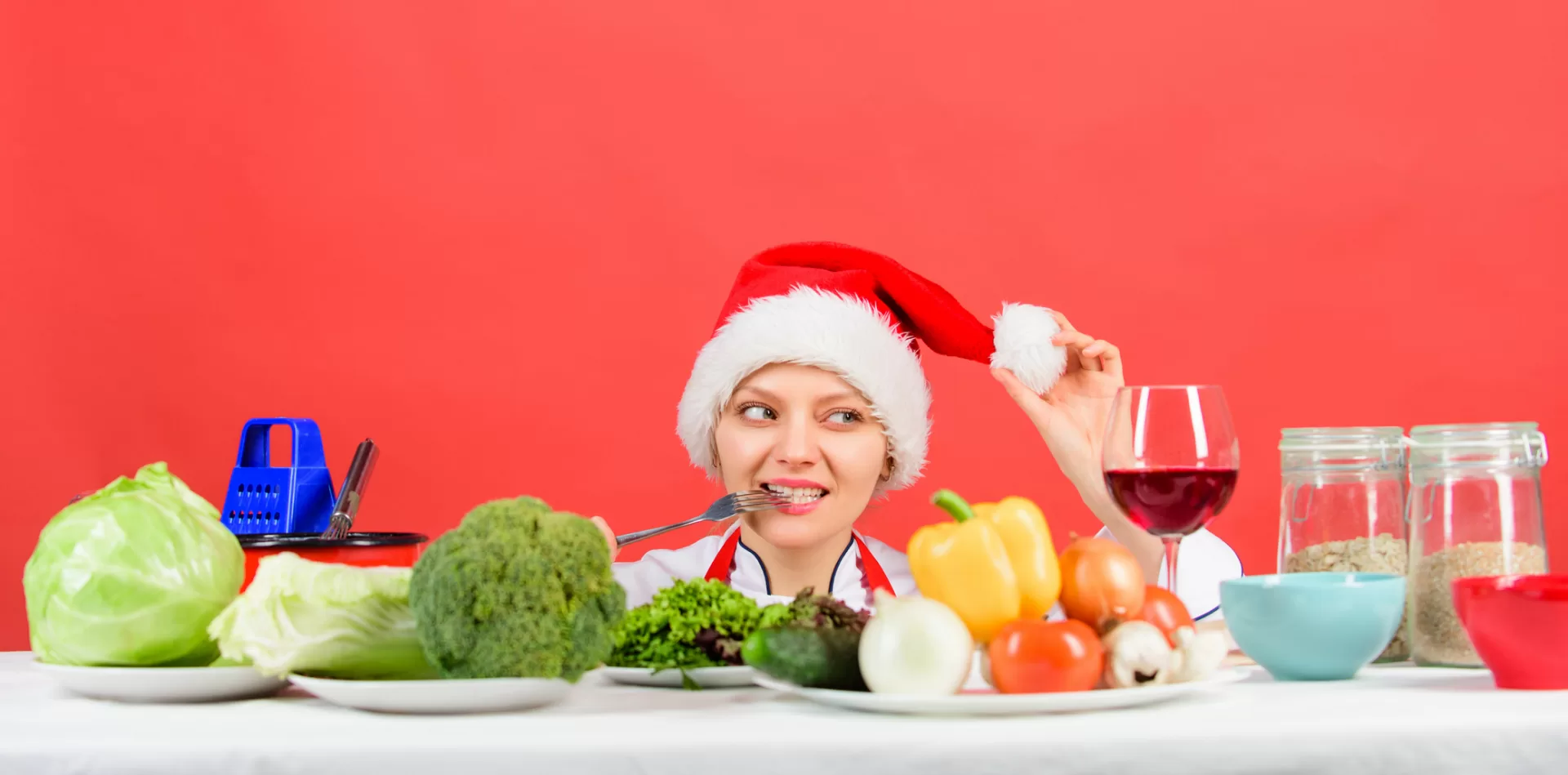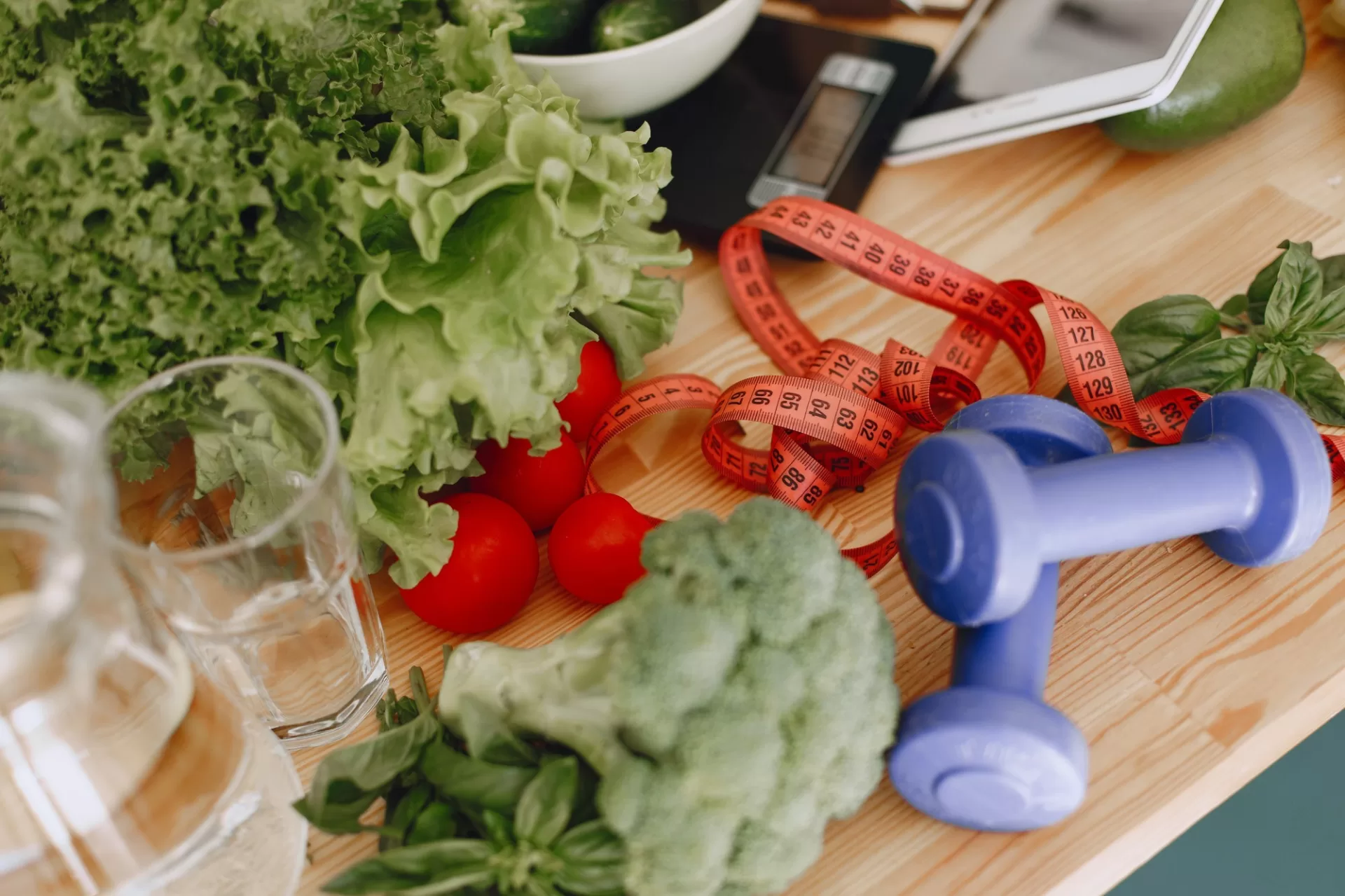
December and all the end-of-year festivities are celebrated as they should be, with traditional lavish meals. Can you indulge yourself when during this period you are free from any constraint and the goodies are more appetizing than ever throughout the year? You can, with little strategies!
If you want expert information from a doctor regarding diet during the holidays, do not hesitate to schedule an online consultation with a doctor specializing in diabetes and nutrition. Also, people interested in detailed information regarding digestive disorders caused by lavish meals during the winter holidays can schedule an online consultation with Digital Clinics doctors.
Nutritional mistakes during the holidays translate into extra pounds and digestive problems
The magic and charm of parties, the joy of being together with family and friends urge us to overcome any culinary restraints. Statistics indicate that during the winter holidays, the average weight gain is 2-3 kilograms more. There are also people who gain even more weight during this period – over 5 kilograms. In addition to the actual weight gain and the aspects related to the figure, in the long term, weight gain favors the appearance of other dangerous conditions – heart problems, diabetes, favors the appearance of various types of cancer, plus the intensification of digestive disorders can occur as a package.
Did you know that...
• A 100 g slice of Romanian cozonac with cocoa, walnuts and raisins can mean 400 kilocalories? • Pork bacon is around 600 kilocalories • Caltaboș is 300 kilocalories • Pork drumstick around 300 kilocalories • Pork patty around 100 kilocalories • Mouse over 500 kilocalories • Sarmale almost 300 klilocalori • Boeuf salad around 250 kilocalories?
Why do we gain weight?
Nutritionists and metabolic disease specialists tell us that overeating and a sedentary lifestyle are the main causes of weight gain during the winter holidays. The caloric intake is very high during this period (over 6,000 kilocalories are consumed, when in fact we would only need 2,500 to 3,000 for men and 2,000-2,500 for women), and the fact that we stay at home more contributes to the deposition of fat. In addition, if we go out, if we do not exercise and only go out to restaurants to eat again, let's not be surprised that we gain weight. Moreover, because many of the foods consumed during the holidays are salty, salt makes the digestive process difficult and on top of that increases our blood pressure. If you add a glass of red wine or beer to all this, problems quickly arise and the holidays from joy turn into a real nightmare that we can only escape from in the hospital.
Diseases specific to rich meals during the holidays
The holiday period usually gives doctors on duty a lot to do. The main health problems that arise from large meals sprinkled with alcohol and carbonated or extremely sweet drinks are:
• heartburn – mainly caused by the ingestion of large quantities of food and extremely antagonistic in composition (acidic, sweet, high-fat foods + carbonated drinks and alcohol)
• diarrhea/constipation – the culprit for these problems is obviously excessive eating, low in fiber but rich in fat, salt, sugar and alcohol
• stomach pain – usually, eating too much overstrains the stomach, which will try to rebel either through pain or through vomiting and gastroesophageal reflux
• food poisoning – usually, they are generated by a hygiene mistake when preparing food
• biliary, pancreatic problems – unhealthy foods can create problems at any other time of the year, but especially during the holidays when food and alcohol excesses are the order of the day.
• cardiovascular problems often related to increased blood pressure – salty foods, alcoholic beverages, etc.
What to do?
Doctors recommend moderate consumption of traditional pork-based foods, especially fried and high-fat ones, but also fewer salty foods and sweets full of sugar. Fatty food, mayonnaise, fried foods, smoked meats, even homemade ones, sweets – the traditional cozonac, but also all sweets in general, plus the indispensable candies that are given as gifts during this period – although delicious, contribute to our weight gain. Alcohol and coffee/instant coffee are also not good for us, so everything should be consumed in moderation.
Doctors' recommendation:
• Consume traditional holiday foods in small quantities
• Go outside after meals, don't stay indoors!
• Chew a lot, because chewing for a long time causes the brain to correctly assess the real amount of food that the body needs and thus you stop consuming large amounts of food.
• Take breaks between meals! A good idea is to take a break after each course to socialize with friends and family. And don't forget! Alcohol and carbonated drinks are not good friends of the figure! nor of our health. Moderation in everything and then there will be no extra pounds and you will not end up in the emergency room!
• Hydrate yourself properly! With plenty of water 😁.