“My joints hurt, I have rheumatism!”, we often hear those around us say, especially if they are over 50 years old. And yet, what is rheumatism? Dr. Teodora Polgar, a rheumatologist, makes a clear distinction between different types of joint pain, all united under the popular term “rheumatism” and offers explanations regarding the causes of these medical problems.
If you have questions about joint pain or want an accurate diagnosis regarding your joint problems, you can schedule an online consultation with doctor Teodora Polgar on the Digital Clinics platform.
Rheumatism, an umbrella behind which several conditions are hidden
The term rheumatism includes all the symptoms caused by the aging of the articular cartilage. Rheumatologists define several conditions that are popularly called rheumatism; the most common, however, are arthrosis and rheumatoid arthritis.
“To make a correct diagnosis, we need to see exactly the cause of the pain. Most often, patients suffer from osteoarthritis, a degenerative joint disease caused by age and excessive wear and tear. Usually, in the case of osteoarthritis, patients come to us and tell us that they experience pain and sensitivity when the weather is colder or when the weather changes. In rheumatoid arthritis, the cause is not a degenerative process, but an inflammatory one,” explains rheumatologist Teodora Polgar, at Digital Clinics.
“Even though the latest studies have shown that in the case of osteoarthritis there is also a small inflammatory process, it does not compare to the inflammation that underlies rheumatoid arthritis, ankylosing spondylitis or lupus. All of these are autoimmune diseases, in which the body attacks itself, they are inflammatory diseases in which the inflammation is generalized throughout the body and various organs are attacked – heart, lungs, etc., but also the joints that swell and hurt a lot,” adds doctor Polgar.
Therefore, there is a big difference in treatment between joint pain caused by aging and those caused by inflammatory processes in the body. In the case of degenerative arthrosis, an important characteristic is that the sensitization and appearance of joint pain occurs to atmospheric changes, high or too low pressure, and these pains improve as the body gets used to these changes.
Major risk factors for osteoarthritis:
• aging
• gender – women are more likely to develop osteoarthritis than men
• each person's genetic background;
• certain metabolic diseases – diabetes, hemochromatosis
• certain joint malformations or cartilage defects
"If the mother had joint problems or osteoarthritis, the daughter is very likely to develop this condition or other joint conditions, because she has them in her genetic baggage. Therefore, these factors cannot be modified. We cannot stop aging, we do not choose our gender or genetic baggage. What can we do, though? We can modify other risk factors," says doctor Teodora Polgar.
Arthritis Prevention
Weight Control
"An important factor in preventing arthrosis, but which patients do not really want to take into account, is weight. This has a purely mechanical effect, especially in terms of the joints that carry our entire body, starting from the foot, knee, hip, spine with the lumbar, cervical area. Obesity is that factor that can accentuate the wear and tear process of the joints. Moreover, it can even lead to the installation of an inflammatory process. So weight is a primary risk factor, but one that can be modified. We can fight to lose weight", draws attention to doctor Polgar.
Nutrition
To support our joints through proper nutrition, we can always opt for an intake of antioxidants, omega 3, vitamin B, C. And while we're talking about nutrition, it must be said that joints suffer as we age and due to a decrease in collagen intake, that protein structure that plays a crucial role in maintaining bone, skin and joint health.
Collagen intake
One theory says that it is advisable to start taking collagen supplements starting at 35 years old and that it is generally good to take them when the first signs of osteoarthritis begin, precisely because then the collagen deficit is small and we can repair it, while if we take it at around 65 years old when the cartilage has already suffered and the joint is worn out, we have nothing left to repair.
We can get collagen both from food and from supplements. "Naturally, we can get collagen from bone broth. It's the most accessible. Boil as many beef, pork or chicken bones as possible and consume that soup," recommends Dr. Teodora Polgar.
Sports
We are talking about moderate physical exercise in which we use all our joints without exaggerating. Through movement, the joints are hydrated and lubricated; but if we only make repetitive movements - for example, a lady cooks all day, cuts greens, onions, vegetables - it's not enough, just like the movements of the hands on the computer keyboard, they are just repetitive movements that rather wear out the joints. Repetitive movements at a given time accentuate the wear and tear on the joints. Likewise, going to the gym can be of great help, but repetitive and extremely intense exercises are no longer beneficial. We need to know how to maintain a balance between movement and rest”, warns doctor Teodora Polgar.
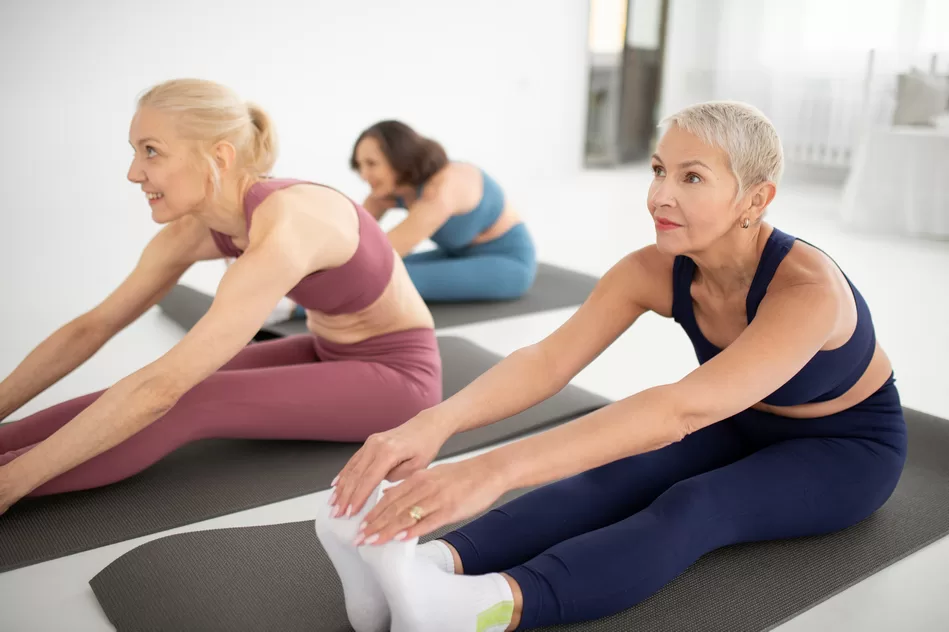
Ten minutes of gymnastics every morning is a good start for the joints. Likewise, yoga exercises greatly help both the joints and the muscles. Two or three kilometers walked daily is an excellent solution in combating osteoarthritis, but 20 kilometers walked daily as postmen do, for example, is not good at all.
Diagnosis in the case of osteoarthritis
Arthrosis is highlighted through a series of imaging tests. To obtain images of the affected joint, the doctor may recommend: X-rays, Magnetic Resonance Imaging (MRI) or laboratory tests (blood or joint fluid analysis).
Treatment
Usually, mild osteoarthritis pain can be relieved with a simple paracetamol or ibuprofen, while stronger non-steroidal anti-inflammatory drugs are only available on prescription.
Arthritis can have episodes of severe pain, then disappear for months or even years, only to return later because if we do not protect our joints, they deteriorate over time.
Other supportive therapies for osteoarthritis include – physiotherapy, transcutaneous electrical nerve stimulation and occupational therapy, through which a therapist can help the patient discover ways to perform daily tasks without further stressing the already painful joint. In severe cases of osteoarthritis, the treatment is surgical prosthesis of the affected joints.