Excessive thirst, frequent urination, fatigue? All of these can be signs of diabetes. However, they are not enough on their own to confirm the presence of this chronic disease. In the following lines, you can find the essential information about diabetes, its causes, symptoms and the importance of early diagnosis.
What is diabetes
Diabetes is a chronic condition characterized by elevated blood sugar levels. It occurs either because the body does not produce enough insulin (type I diabetes) or because the body cannot use insulin effectively (type II diabetes). The disease is closely linked to the functioning of the pancreas.
Insulin is the hormone responsible for regulating blood glucose levels. When the body produces too little insulin or cannot use it efficiently, blood sugar levels increase and may affect multiple organs. Over time, uncontrolled diabetes can damage nerves, blood vessels, the heart, kidneys and eyes.
Causes
The exact cause of type I diabetes is still unknown, and the condition is considered an autoimmune disease. Factors that may contribute to its development include genetic predisposition and environmental influences such as viral infections or certain nutritional factors acting during childhood.
In the case of type II diabetes, several causes have been identified. The most important is insulin resistance, a condition in which the pancreas produces insulin but the body does not use it efficiently. Insulin resistance is often associated with unhealthy dietary habits, excessive consumption of ultra-processed foods, a sedentary lifestyle, obesity and hypertension.
Chronic and unmanaged stress can also contribute to the development of diabetes. Stress leads to increased levels of cortisol and adrenaline, hormones that can affect the proper functioning of pancreatic cells and reduce the efficiency of insulin production, resulting in higher blood glucose levels. Family history is another important risk factor.
Symptoms
Symptoms may vary depending on the type of diabetes.
In type I diabetes, symptoms usually develop suddenly and may include:
• blurred vision caused by hyperglycemia
• sudden weight loss
• weakness and fatigue
• persistent thirst
• frequent urination in large quantities
• vomiting (in severe cases)
• irritability
In type II diabetes, symptoms develop gradually and often remain unnoticed for long periods. In some cases, hyperglycemia may not cause obvious symptoms. Possible signs include:
• increased appetite (polyphagia)
• frequent urination, including during the night
• intense thirst
• presence of glucose in the urine
• loss of appetite
• tingling, numbness or burning sensations in the legs
When to see a doctor
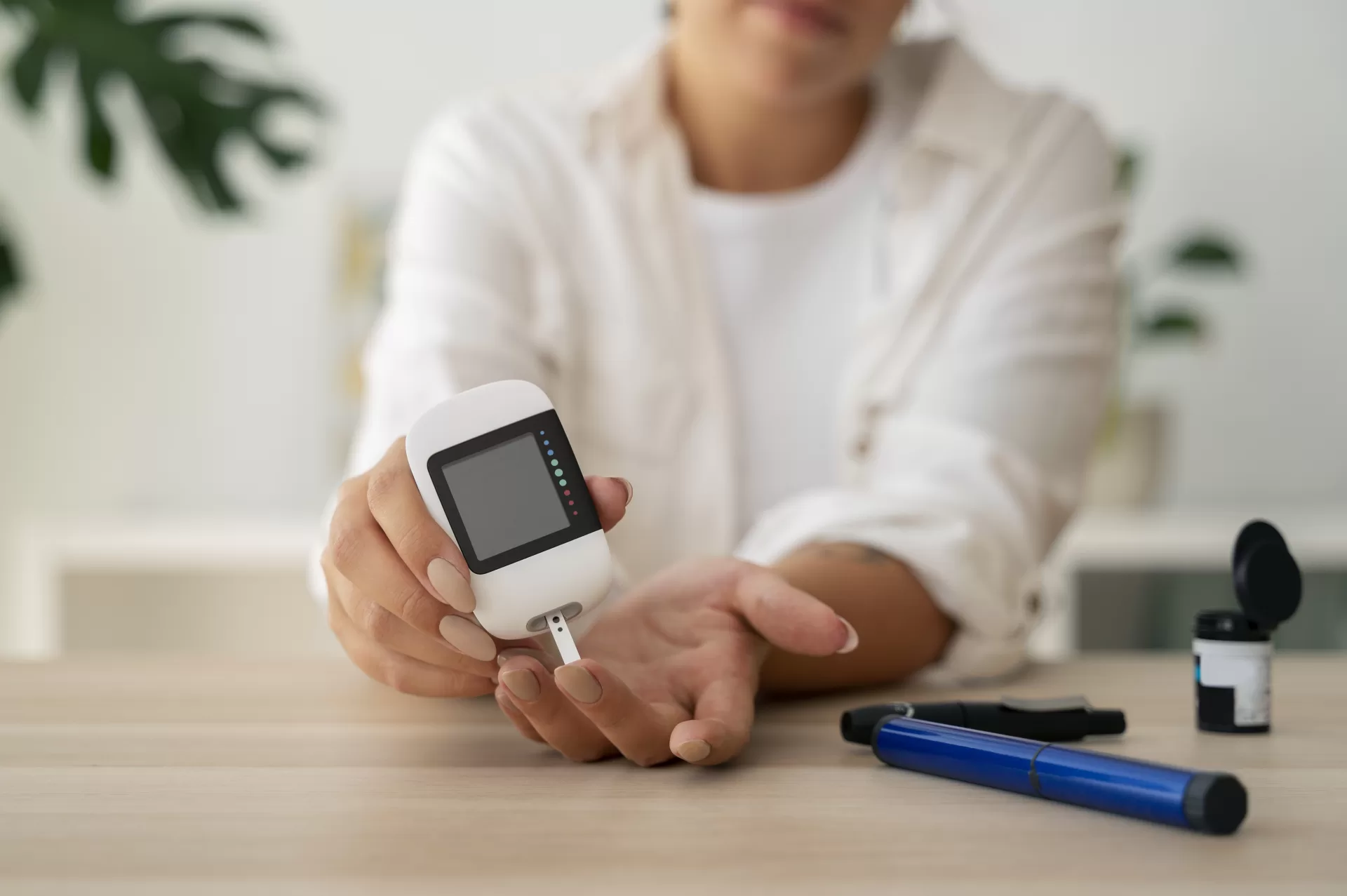
Because the symptoms of type I diabetes appear suddenly, doctors usually recommend checking blood glucose levels to ensure rapid diagnosis.
In contrast, symptoms of type II diabetes and prediabetes tend to develop slowly and can be difficult to detect. As a result, many people do not seek medical evaluation in time.
If you notice one or more of the symptoms mentioned above, it is advisable to consult a doctor and test your blood glucose levels. Specialists in metabolic and nutritional diseases recommend screening for people with a body mass index above 25, regardless of age, especially if other risk factors are present such as high blood pressure, abnormal cholesterol levels, sedentary lifestyle, polycystic ovary syndrome, cardiovascular disease or a family history of diabetes.
Specialists also recommend that individuals over the age of 35 undergo an initial blood glucose screening. If the results are normal, the test should be repeated every three years.
Women who have experienced gestational diabetes during pregnancy are also advised to test their blood sugar levels every three years. In addition, people diagnosed with prediabetes (fasting blood glucose between 100–125 mg/dl) and people living with HIV should regularly monitor their blood glucose levels.
Diabetes is often referred to as a “silent disease.” In its early stages, it may not cause symptoms that significantly affect daily life. However, if left untreated, it can lead to serious complications, including vision loss, limb amputations and worsening cardiovascular and circulatory diseases.
Alternative treatments
Although diabetes cannot be cured once diagnosed, it can be effectively managed. In addition to regular blood glucose monitoring and prescribed treatments such as antidiabetic medication or insulin therapy, certain lifestyle measures and dietary choices may help maintain balanced blood sugar levels.
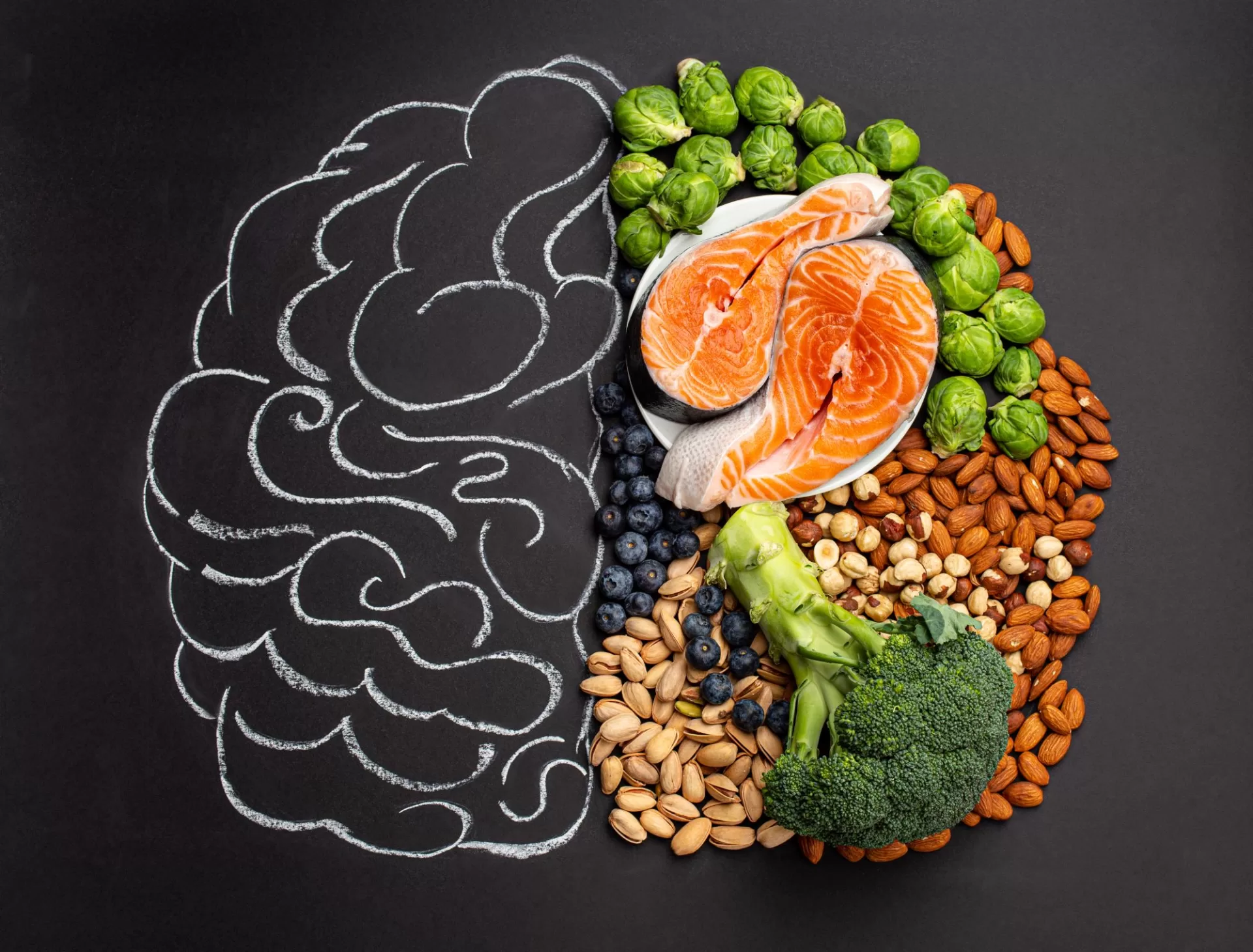
A balanced diet plays a key role in managing diabetes. Recommended foods include berries such as blueberries, raspberries and blackberries (without added sugar), cinnamon used in various dishes, avocado, green vegetables, nuts, chia seeds, fatty fish, beans, lentils and chickpeas. Vegetables such as tomatoes, peppers, pumpkin and zucchini are also beneficial.
In addition, beverages such as green tea or blueberry leaf tea may be included as part of a healthy diet.
How to prevent it
While type I diabetes cannot currently be prevented, type II diabetes can often be avoided through healthy lifestyle choices. Key risk factors that should be reduced include excessive sugar consumption, chronic stress, sedentary behavior and obesity.
Prevention should begin in childhood, when healthy eating habits can be established by limiting sweets and sugary drinks, encouraging regular physical activity and maintaining consistent meal schedules.
A diet rich in vegetables, fruits and fish can support both the prevention and management of diabetes. At the same time, it is important to recognize that physical inactivity significantly increases the risk of developing this condition.
Moderate daily physical activity for at least 30 minutes is recommended. This may include walking, tai chi, pilates, yoga, running for those who are able to do so, or hiking in nature.
Avoiding harmful habits such as smoking, excessive alcohol consumption and excessive caffeine intake can also help maintain stable blood sugar levels and reduce the risk of developing diabetes.