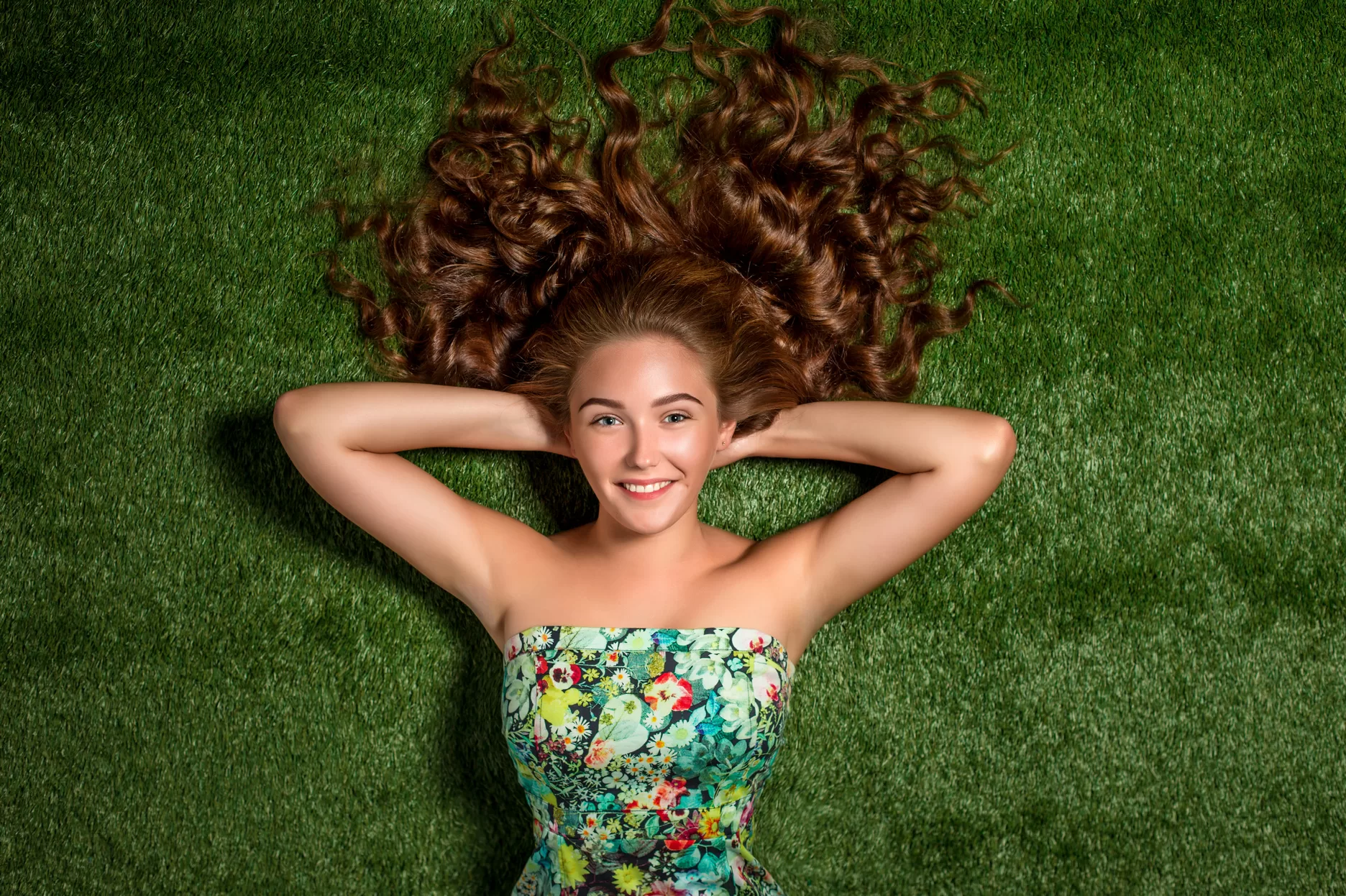
Shiny, elastic and strong hair, silky and pleasant to the touch, without split ends and, above all, rich and full, are the main characteristics of healthy hair. To achieve all these qualities, we need to know how to care for our hair properly. Here are five important tips to help you maintain healthy hair and avoid excessive hair loss.
Factors that influence hair health
Healthy hair depends on a number of factors that can affect it and that generally influence the health of the entire body: genetic inheritance, nutrition, lifestyle and hair care routine.
While genetic inheritance cannot be changed, the other factors can certainly be adjusted so that we can enjoy healthy hair that is resistant to breakage and does not fall out excessively. Moreover, to a certain extent, hair loss is normal. Experts say that we lose between 50 and 100 hairs daily. Anything above 100 hairs lost per day can already be considered a problem.
1 Healthy and balanced diet, but also hydration
A healthy and balanced diet helps prevent hair damage and supports the regeneration of damaged hair. This involves a high consumption of fruits and vegetables because they provide essential vitamins, minerals and antioxidants that support hair health and growth. In particular, vitamins A, C, B7 and E, as well as minerals such as iron and zinc, are vital for maintaining strong and healthy hair follicles. Proteins, which are important for hair growth, should also not be missing, so include nuts, meat, eggs and beans in your daily diet. Proper hydration is beneficial not only for the body in general but also for the hair. If your hair lacks shine, is brittle or very dry, one of the reasons may be insufficient internal hydration.
2 Pay close attention to your hair care routine
Avoid washing your hair excessively. Despite sweat, humidity or heat, experts warn that frequent washing reduces the amount of natural sebum that protects the hair and can damage the strands. In addition, quick drying with a hairdryer is not beneficial for hair health. Natural drying is recommended instead of rapid artificial drying. Excess moisture should be removed with a towel by gently patting the hair, not by rubbing it vigorously. Also, detangle long hair carefully, preferably with a comb rather than a brush. Do not pull or force the hair, as this can either break the strands or weaken their roots. Every time you pull a hair forcefully, it may fall out in the following days, even if not immediately.
3 Do not change your look too often
Although changing your look can often be attractive and trendy, frequently changing your hair color according to seasons or fashion trends is not beneficial for hair health. Drastic color changes should not be done more often than once every two years, allowing medium length hair enough time to fully recover.
4 Protect your hair from ultraviolet rays and cold weather
Excessive exposure to the sun in summer or to cold temperatures in winter can cause hair damage and hair loss. That is why it is advisable to wear a hat during summer if you know you will spend a lot of time in the sun, and a cap or beret in winter, but not one that is too tight.
5 Use natural hair care products as much as possible
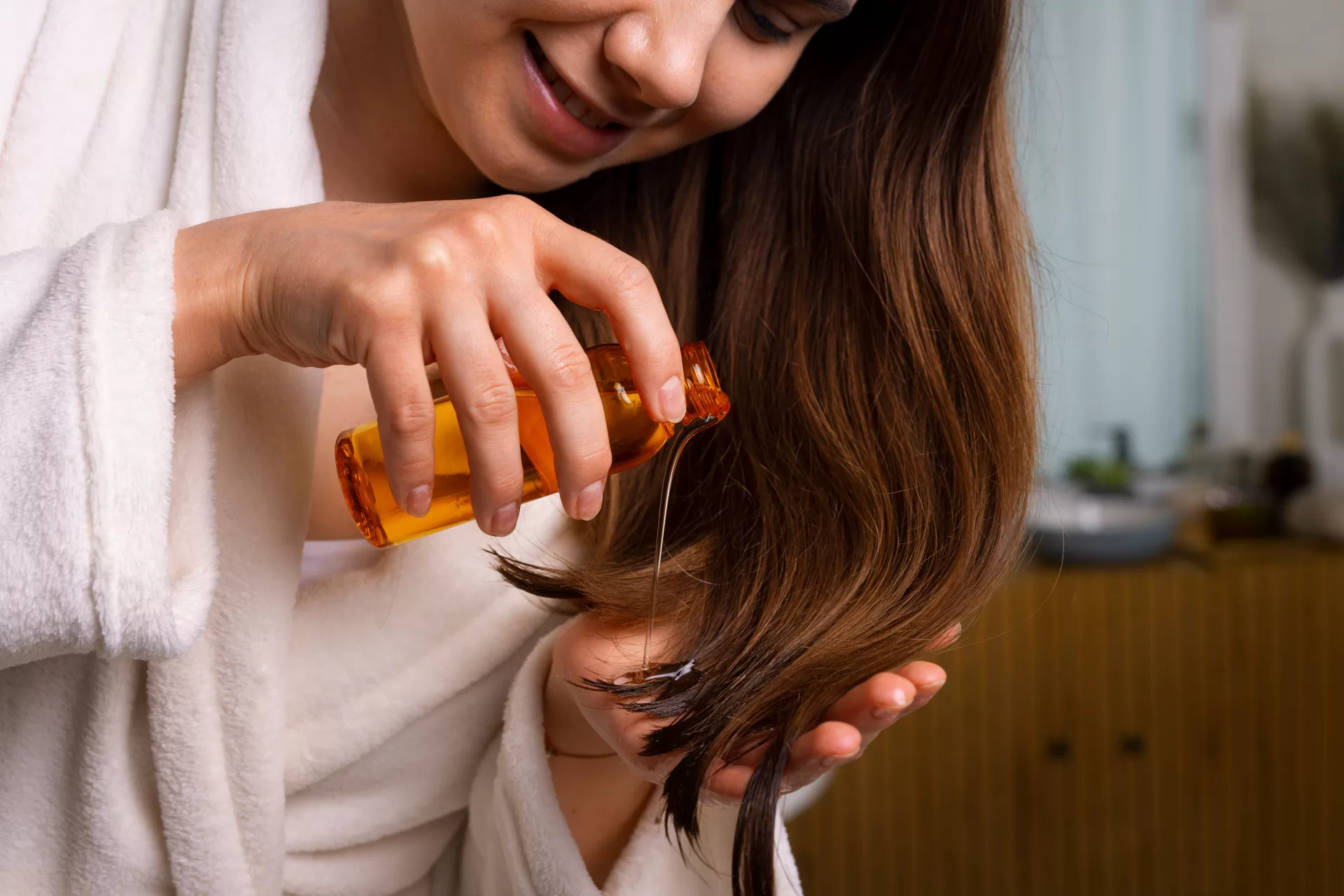
Apply hair masks made from natural ingredients regularly. For example, you can use oils, natural juices, fruit or vegetable pastes or herbal infusions. Natural oils such as argan, olive, coconut or jojoba are excellent for preventing dryness. These oils help moisturize and protect the hair.