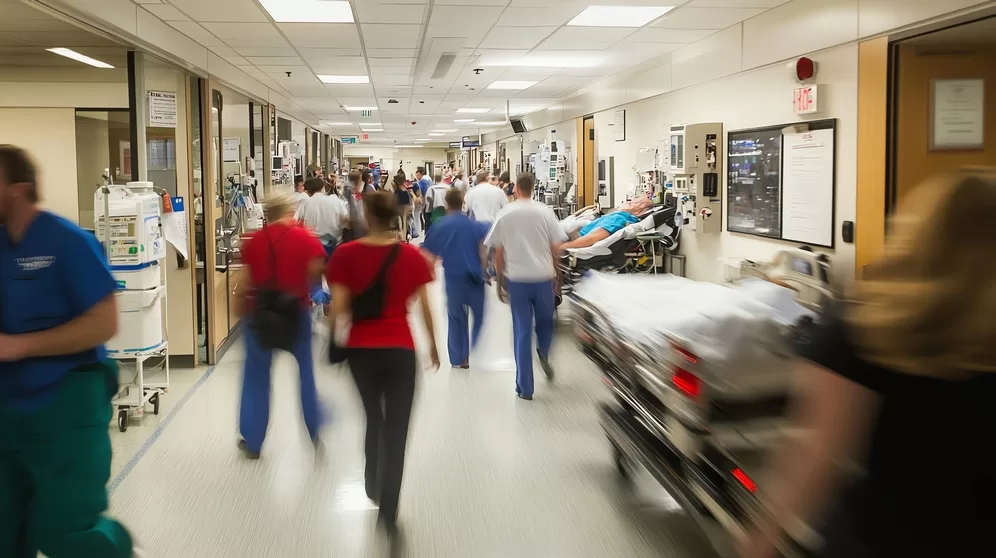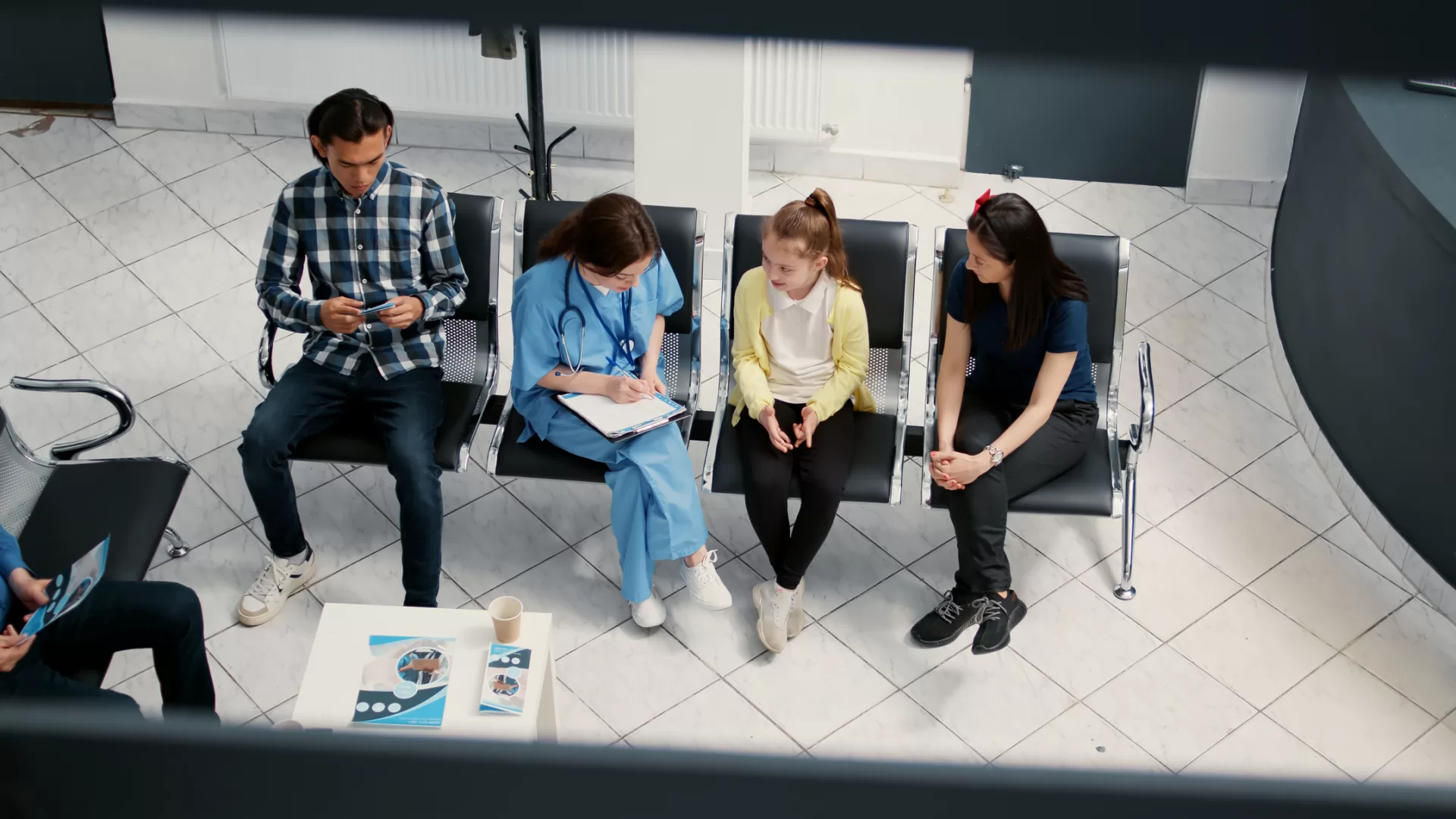
In Romania, an OECD (Organisation for Economic Co-operation and Development) report published in 2025 concluded that 80% of patients who sought medical care in emergency departments were assigned a green code, meaning that they did not require immediate intervention. An analysis cited by the OECD in the same year showed that 72% had diagnoses that could have been managed by primary care rather than in an emergency department.
Why do such situations arise when these problems could be dealt with by a General Practitioner (GP) rather than in a hospital emergency department? This is one of the questions addressed by this article, which also proposes a solution: the use of telemedicine services as a rapid, efficient and decongesting measure for emergency services.
For patients, the emergency department is a shortcut to resolving medical problems
The same OECD report suggests that the reasons why patients appear to prefer emergency services over contacting a specialist or GP are rooted in the healthcare system itself. Romanian patients use emergency services as a “shortcut” to accessing specialist care because:
a. they do not know where to go when faced with a new health problem;
b. GPs are seen primarily as a means of obtaining a referral to see a specialist;
c. an appointment may only be available several days or weeks later;
d. in certain areas, particularly rural ones, there are too few specialists;
e. a GP’s working hours do not always cover the time when a problem arises;
f. there is an issue of trust and perception, but also a problem created by the healthcare system itself, as gaining access to a consultation can become extremely complicated.
What can be done?
Telemedicine could become one of the key tools enabling Romania to reduce pressure on emergency departments, but only if it is integrated into primary healthcare and used as a clinical filter before a patient attends a hospital, rather than simply as an alternative to a traditional face-to-face consultation.
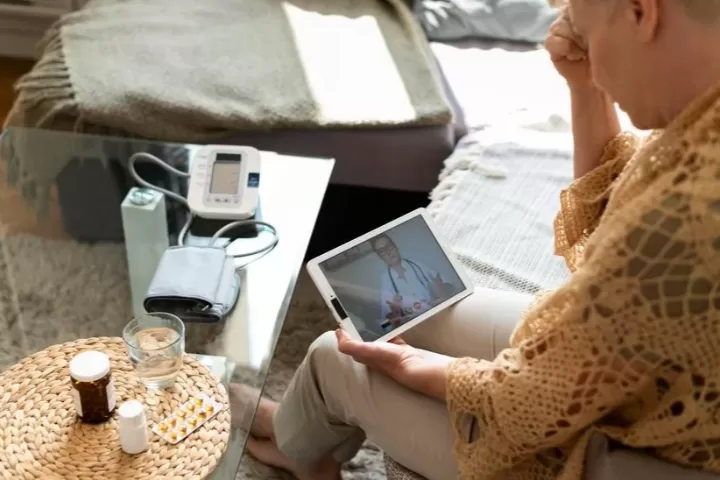
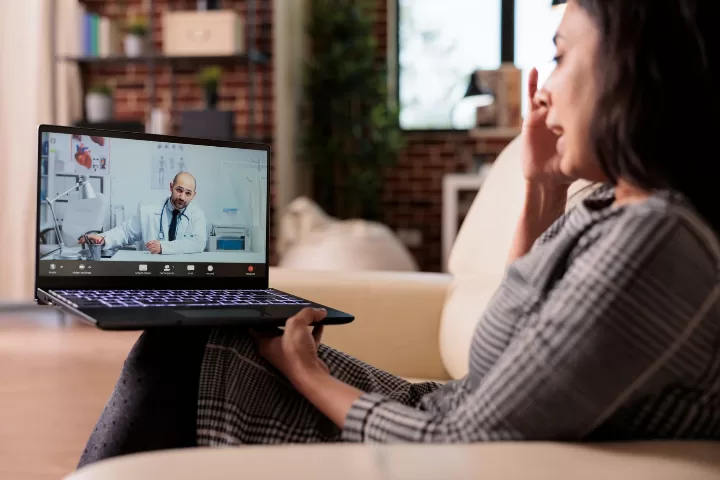
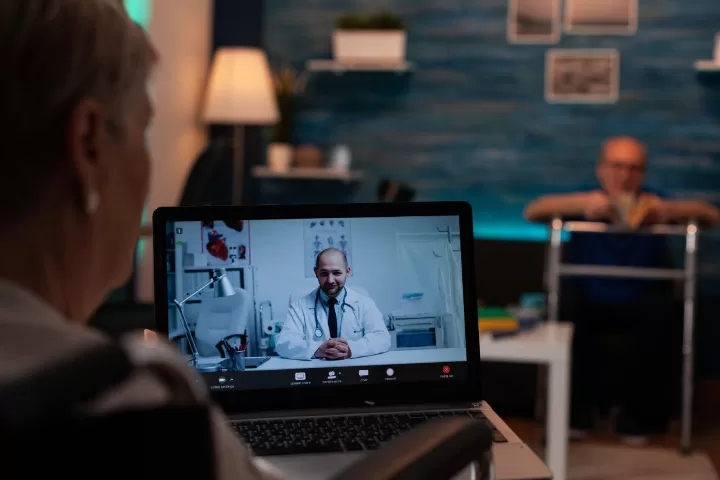
Telemedicine can function as a “digital gateway” to the healthcare system. A patient with a fever, cough, mild abdominal pain, respiratory symptoms, a skin rash or other symptoms that do not appear to be immediately life-threatening could, within minutes, have access to a remote medical assessment.
The doctor can then determine whether the patient needs to go immediately to the emergency department, be referred to their GP, undergo certain tests or be monitored at home.
Role models for Romania from Estonia and other European countries
European experience demonstrates that this model is possible. Estonia is one of the most advanced examples. Teleconsultation is officially defined as an alternative to face-to-face consultation and can be delivered by telephone, video or web chat, using secure solutions.
Estonian authorities explicitly pursue benefits such as reducing missed appointments, shortening consultations, and reducing hospital readmissions and length of stay. In addition, Estonia has experimented with telemedicine services for situations requiring rapid assessment. In Tallinn a paediatric out-of-hours medical service was being prepared for 2025, specifically to improve access to primary care and reduce pressure on the emergency department.
Other European countries have also demonstrated that teleconsultations can become an important part of the healthcare system. During the pandemic, the increase in teleconsultations compensated, in some countries, for the decline in face-to-face consultations, particularly in Belgium, Croatia, the Czech Republic, Estonia, Portugal and Spain.
Romania also experienced rapid growth: the proportion of the population reporting that they had received a remote medical consultation increased from 22% in the summer of 2020 to 30% in spring 2021. However, Romania still does not regularly report the total number of teleconsultations, making it difficult to assess their impact.
The main issue in Romania, therefore, is not a lack of potential interest, but the limited use and insufficient integration of telemedicine. In 2024, only around 30% of Romanians used the internet to search for health information, compared with approximately 60% across the OECD average. Only around 9% booked medical appointments online (this does not automatically mean telemedicine, as it includes appointments for face-to-face consultations made through a clinic’s website), while 10% accessed their electronic health records.
To increase patient interest, Romania should change the way telemedicine is presented. Simply promoting the message “talk to your doctor online” is not enough. Patients need to be offered a very concrete benefit: “Before going to the emergency department, you can quickly receive a medical assessment and find out whether your condition really requires you to go to hospital.”
An effective national system could introduce a 24/7 digital medical triage service integrated with GPs, out-of-hours medical services and emergency departments. Patients could answer a few questions, speak to a doctor or nurse, and receive one of several recommendations: immediate emergency care, a same-day consultation, a consultation within the next few days, or monitoring at home. In serious cases, the system should not delay access to the emergency number 112 or to an emergency department.
Telemedicine must also be combined with remote monitoring. A patient with hypertension, diabetes, heart failure or COPD can periodically transmit measurements such as blood pressure, blood glucose, pulse or oxygen saturation. A doctor can intervene before the patient’s condition deteriorates and leads to an emergency department visit.
For Romania, the objective should not be “to move as many consultations online as possible”, but rather to move into the digital environment medical interactions that can be safely managed remotely. The OECD recommends precisely this direction for Romania: developing an integrated and secure digital platform for telemedicine, making effective use of electronic health records, and expanding teleconsultations for populations in underserved areas.
In conclusion, telemedicine could represent for Romania not merely a technological innovation, but a tool for reorganising the healthcare system. If Estonia demonstrates how digitalisation can be integrated into the public healthcare system, then Romania can adapt this model to address its own challenges: overcrowded emergency departments, unequal access to doctors and a primary healthcare system that is still insufficiently utilised.
The key to success would be creating a simple pathway for patients: symptoms - digital medical assessment - referral to the appropriate level of care - monitoring. In this way, telemedicine would not compete with hospitals, but would protect their capacity for patients who genuinely require emergency care.
Telemedicine reduces the social cost of illness
Telemedicine also has a particularly interesting socio-economic impact. If a patient no longer has to spend three to five hours in an emergency department, one to two hours travelling, time for arranging appointments, and potentially a day off work, the social cost of illness falls, even if the healthcare system itself saves relatively little on the consultation itself.
For the employer, this means fewer hours lost. For the employee, fewer lost earnings. For the family, less time spent travelling with and accompanying the patient. Telemedicine can turn geographical distance from a major obstacle into a much smaller one, particularly for patients living in rural areas. As a result, the emergency departments of nearby hospitals can also become less congested.
The conclusion? Telemedicine can improve the allocation of patients to the appropriate level of care, reducing unnecessary use of emergency services and indirect costs - potentially the most important benefit for the Romanian healthcare system.