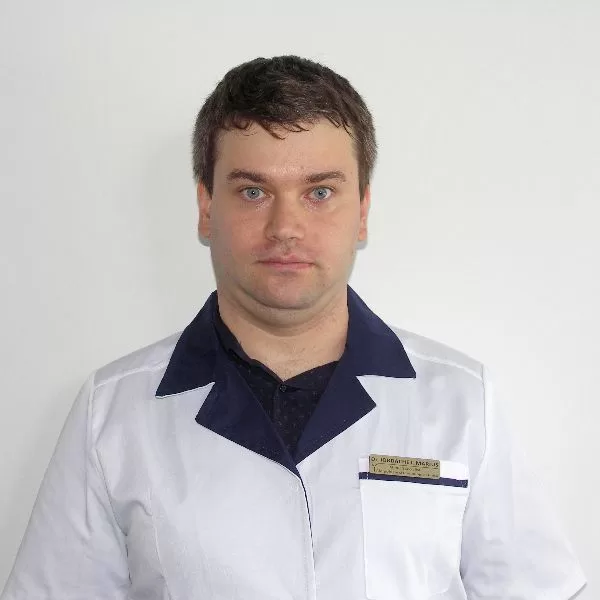
You can schedule an ONLINE consultation with Dr. Marius Iordache by accessing this link: Consult Dr. Marius Iordache
Why shouldn't allergies be neglected? What investigations are important to protect us from the occurrence of serious conditions? Dr. Marius Iordache, a specialist in Allergology and Clinical Immunology, who provides online consultations on the Digital Clinics telemedicine platform, explained to us in detail.
What is the importance of this specialty - Allergology and Clinical Immunology?
Allergology and Clinical Immunology is a medical specialty that deals with the study of allergic conditions, diseases and immunodeficiency syndromes, which include immunoregulatory disorders and immunodeficiencies.
Allergology deals with the detection and diagnosis, prophylaxis and treatment (medication and/or immunotherapy), medical care and recovery of patients with allergic diseases (hypersensitivity diseases initiated by immunological mechanisms). Clinical immunology deals with immune system dysfunctions, as well as the immunological aspects of diseases in which the immune system is involved.
Currently, many conditions have an allergic or autoimmune basis, which makes it necessary to consult an Allergologist and Clinical Immunologist for diseases that we normally address to other specialties in the first phase.
What are the first signs that should send us, as patients, to an allergist?
The main signs and symptoms that can direct the patient to an Allergologist and Clinical Immunologist are: skin rashes, skin itching, rhinorrhea (watery nasal secretions), tearing, sensation of sand in the eyes, dry cough, difficulty breathing (sensation of running out of air), etc.
There are also situations in which patients with repeated respiratory infections may present immunodeficiencies or patients with autoimmune diseases initially diagnosed within other specialties or even within the specialty of Allergology and Clinical Immunologist.
Allergies can occur at any age and can considerably affect the general state of health. What tests are important? Why should we not neglect these conditions?
These conditions should not be neglected because, over time, patients can become sensitized to multiple allergens and the conditions can evolve or even new conditions can develop. For example, a patient diagnosed with allergic rhinitis can develop bronchial asthma over time or a patient with an allergy to house dust mites can later develop an allergy to various types of pollens.
Currently, there are numerous types of in vivo or in vitro explorations to investigate allergic patients. We have prick, intradermal, patch tests and many other types of tests, with molecular medicine also making a significant contribution.
But the most important thing is to determine what kind of investigations are necessary following a specialist medical consultation.
I have often had patients who came with the results of laboratory investigations chosen by them or recommended during medical consultations in another specialty.
What are the main conditions that your patients present with?
There is a very wide range of conditions that patients present with: allergic rhinitis, allergic rhinoconjunctivitis, allergic conjunctivitis, bronchial asthma, acute/chronic urticaria, contact dermatitis, allergic reactions to insect stings, allergic reactions to drugs, allergic reactions to various professional materials, autoimmune diseases (autoimmune thyroiditis, systemic lupus erythematosus, etc.), immunodeficiencies, etc.
How does telemedicine help you? What are the advantages?
Telemedicine began to be used more frequently following the restrictions imposed by the COVID-19 pandemic, but it existed before. The main advantage of telemedicine is the rapid obtaining of answers without the need to travel to a medical office when this is physically impossible (large geographical distances, working hours, musculoskeletal disorders, etc.). Thus, we can talk about an increase in the addressability of patients to a specialist.
For what types of conditions is an online consultation useful?
Online consultations are useful for all types of conditions, but especially for those conditions that do not require the physical presentation of patients: interpretation of medical laboratory tests, interpretation of medical investigation results (spirometry, radiography, etc.).
It is also useful for recommending medical laboratory tests, recommending medical investigations, modifying drug doses, adding/removing a drug from the treatment regimen, and recommending specialized medical consultations.
You can schedule an ONLINE consultation with Dr. Marius Iordache by accessing this link: Consult Dr. Marius Iordache